Biological indicators

Backed by 55+ years of industry leadership
Today’s sterilization monitoring process requires effective assurance solutions. We leveraged decades of experience in sterilization assurance to develop BIs for sterilization monitoring.
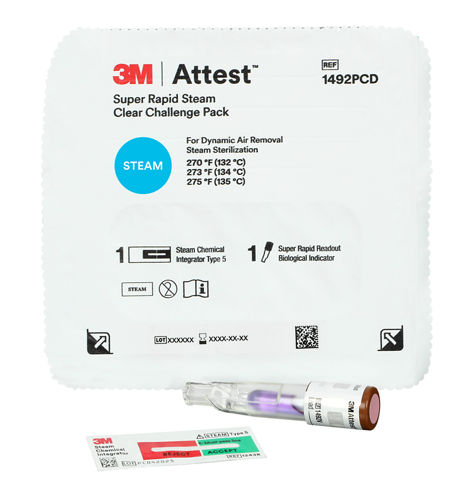
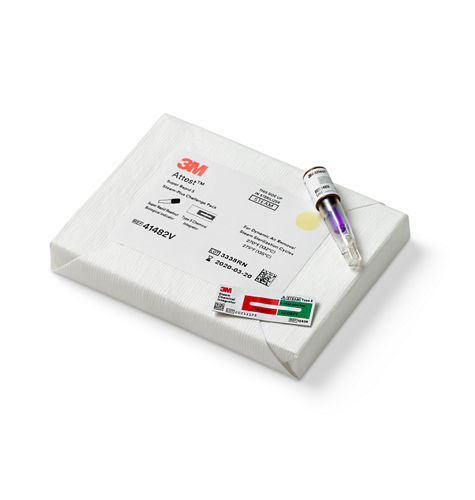
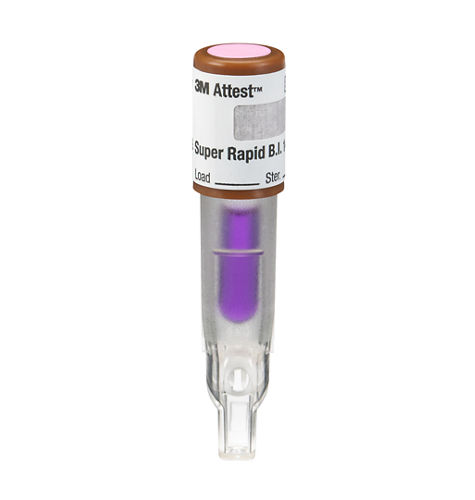
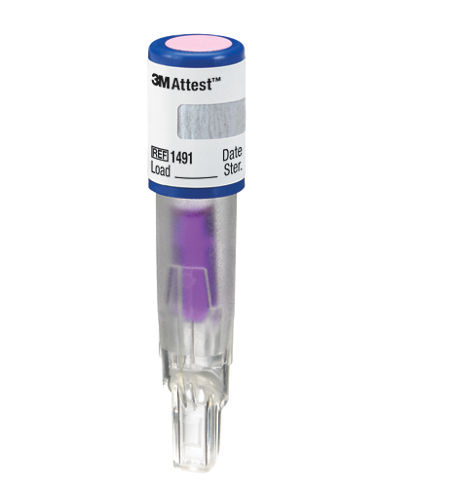
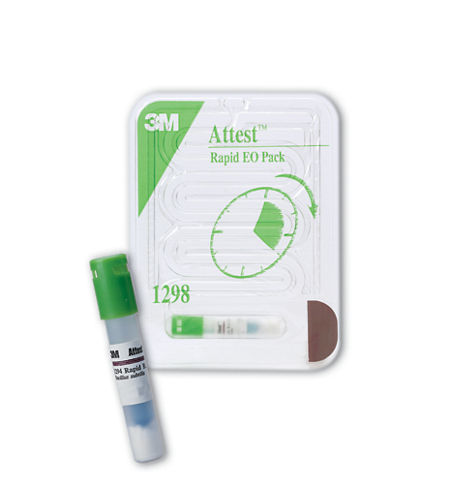
Biological indicators contain a large population of live bacterial spores (e.g., Geobacillus stearothermophilus) that are highly resistant to the sterilization process. These are the only way to directly measure the lethality of a sterilization cycle. After the sterilization process, the incubated BI result helps provides the assurance you need that your medical devices, instruments and equipment are safe for use on your patients.
Our BIs are a reliable way to verify and monitor that the conditions within a load were sufficient to kill a population of resistant microorganisms, providing the assurance you need to simplify, standardize and streamline your sterilization processes.

How a BI works
The theory behind the BI is that if your process is effective enough to kill a large population of highly resistant spores, it will also kill a lower number of less resistant organisms on the medical devices. Because it detects the killing of microbial spores, a BI is capable of yielding information that is more valuable than any other sterilization monitor.
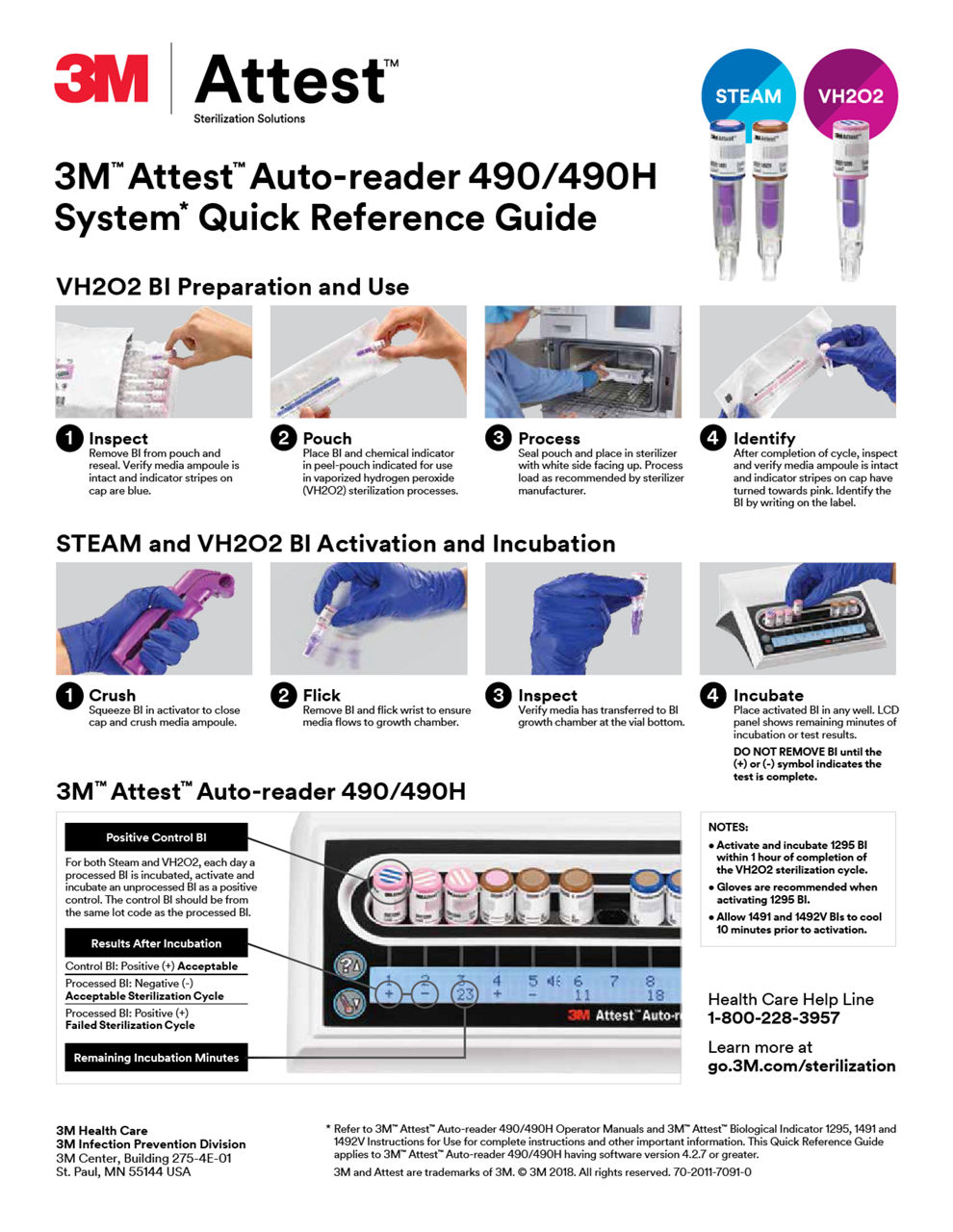
After exposure to the sterilization process, self-contained BIs are activated to provide the spores with optimized growth media, and then must be incubated at the appropriate temperature to determine if any spores survived. For this reason, results are not immediately available. However, advances in BI technologies have led to rapid readout BIs, which provide the end user with actionable results in less than 30 minutes.


What is sterility assurance level (SAL)?
Sterile is the state of being free of all living microorganisms and is usually expressed as a probability.1 A sterility assurance level (SAL) is a number that tells you the probability of a viable microorganism being present on an item after sterilization.1 This number expresses the likelihood that a microorganism survived the sterilization. An SAL of 10-6 (or 10 to the negative sixth power) indicates there is one chance in a million that a device is not sterile and is generally accepted as appropriate for an item intended to contact compromised tissue.1
The sterilizer manufacturer is responsible for providing a sterilizer and process that can achieve the desired SAL and uses BIs as a tool to estimate SAL and develop and validate their sterilization processes. The user is responsible for monitoring the performance of the sterilizer (e.g., with a BI) to ensure it is operating as intended1.

Latest innovations

No assembly required
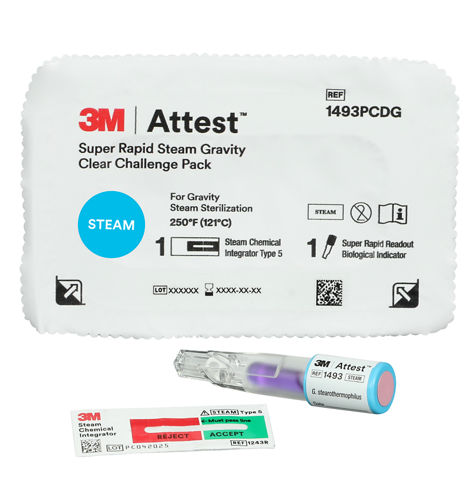
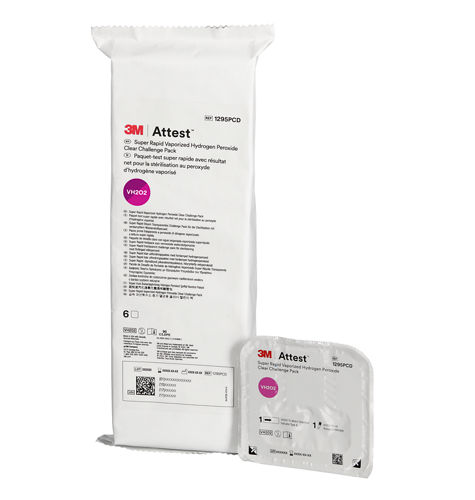
3M™ Attest™ Super Rapid Vaporized Hydrogen Peroxide Clear Challenge Pack
Save time and reduce potential error with the 3M™ Attest™ Super Rapid Vaporized Hydrogen Peroxide Clear Challenge Pack including both a BI and a CI. It’s the first and only preassembled VH2O2 test pack that can be used for routine monitoring and qualification across multiple sterilizer brands, models and cycle types.*
*as of November 11, 2024
Key resources
Biological Indicators
Select Filters to narrow your product list
1 - 9 of 22 Products


References:
- CDC Guideline for Disinfection and Sterilization in Healthcare Facilities, 2008; https://www.cdc.gov/infectioncontrol/pdf/guidelines/disinfection-guidelines-H.pdf [accessed June 27, 2023].
- ANSI/AAMI ST79:2017 Comprehensive guide to steam sterilization and sterility assurance in health care facilities.