INADINE™ (PVP-I) Non Adherent Dressing
About the product
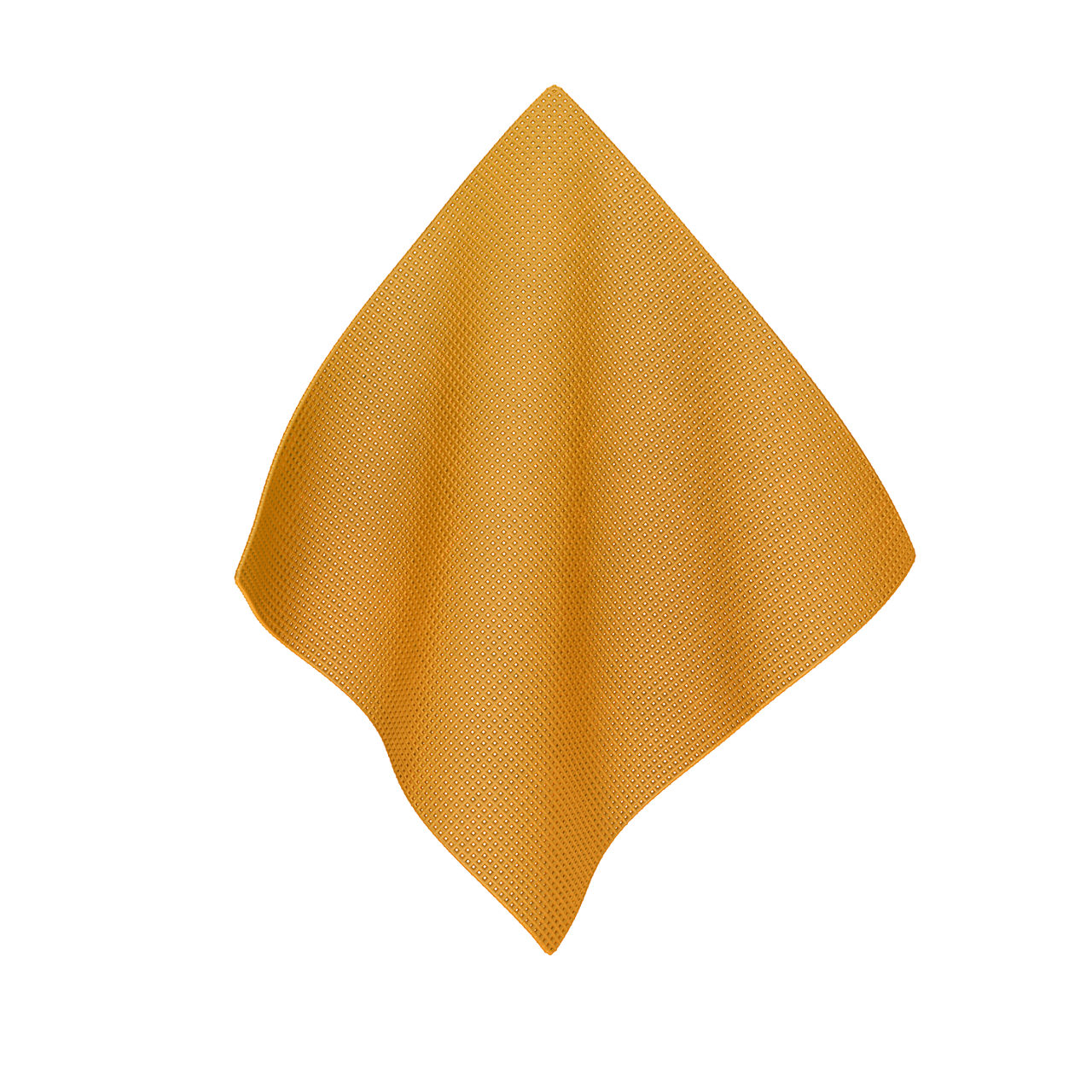
INADINE™ (PVP-I) Non Adherent Dressing is transitioning to Solventum™ Inadine™ (PVP-I) Non-Adherent Dressing. Help minimize patient discomfort and pain during dressing changes and removal3 with Inadine™ (PVP-I) Non-Adherent Dressing. This topical wound dressing is made of a low-adherent viscose fabric that’s impregnated with a polyethylene glycol (PEG) ointment. The ointment also contains purified water and 10% povidone iodine (PVP-I) to support optimal healing for your patients.
Product details
- Provides antiseptic protection against bacterial, protozoal and fungal organisms.
- Changes from orange to white as PVP-I is used, letting you know when it’s time to change the dressing.
- Can be used as a primary dressing in combination with other dressings.
- Dressing can be cut using clean scissors or folded to fit the wound bed.
- Features a knitted viscose mesh designed to minimize the number of wound contact points and small pores to prevent tissue growth into and through the dressing.
- Minimizes adherence to the wound bed, reducing patient pain and the risk of damaging granulation tissue during dressing removal.
Suggested Applications
- Managing ulcerative wounds, minor burns and minor traumatic skin loss injuries.
- Designed to protect and minimize adherence to the wound bed and provides antiseptic protection against bacterial, protozoal and fungal organisms.
- Can be used with systemic antibiotics to treat heavily infected wounds.
- For heavily infected wounds, it is recommended to pair this dressing with systemic antibiotics.
- Please refer to the full Instructions for Use in the packaging insert.
Legal
- Campbell N, Campbell D. Evaluation of a non-adherent, povidone-iodine dressing in a case series of chronic wounds. J Wound Care. 2013;22(8):401-402, 404-406.
- Hussain SM. A comparison of the efficacy and cost of different venous leg ulcer dressings: a retrospective cohort study. Int J Vasc Med. 2015;2015:187531.
- CLIN-SUPPORT-05-851409: Clinical Study to Determine Safety and Efficacy in the Treatment of Venous Leg Ulceration in the Community. 1986 Study report 4/85.
- Simka M. Leg ulceration associated with incompetence of the gastrocnemius vein-a case report. Polish Journal of Surgery. 2008;80(4):217-221.
- Jeffcoate WJ, Price PE, Phillips CJ, et al. Randomised controlled trial of the use of three dressing preparations in the management of chronic ulceration of the foot in diabetes. Health Technol Assess. 2009;13(54):1-86, iii-iv.
- CLIN-SUPPORT-05-851417: Clinical Study to Determine Safety and Efficacy in the Treatment of Venous Leg Ulceration in Hospital In-Patients. 1985.Study report 12a/83 and 12d/83.
- Dobson JL, Ellis SL. Creating an optimum healing environment for a grade V pressure ulcer. J Wound Care. 2001;10(10):415-420.
- Sibbald, R.G. et al. Iodine Made Easy. Wounds International 2011; 2(2).
- Ratnagobal S, Sinha S. Pyoderma gangrenosum: guideline for wound practitioners. J Wound Care. 2013;22(2):68-73.
- Odunsi S, Thurston L, Boulton A, Bowling F, Murray D. Type 2 diabetes presenting as neuropathic foot ulceration: A case report. Diabetic Foot. 2012;15(1):39.
Product specifications
| Brand |
Brand
Inadine™ |
| Overall Length (Imperial) |
Overall Length (Imperial)
3.74 in |
| Overall Width (Metric) |
Overall Width (Metric)
9.5 cm |
| Overall Length (Metric) |
Overall Length (Metric)
9.5 cm |
| Catalog number |
Catalog number
P01491 |
| Category name |
Category name
Antimicrobial Wound Dressings |
| Overall Width (Imperial) |
Overall Width (Imperial)
3.74 in |
Subscribe to emails
Join our email list to receive updates on new Solventum products, helpful resources, and educational opportunities. Choose the topics you want to hear more about.