"We've detected that you're visiting from {0}. Would you like to switch languages for tailored content?"

Skin-friendly products and procedures

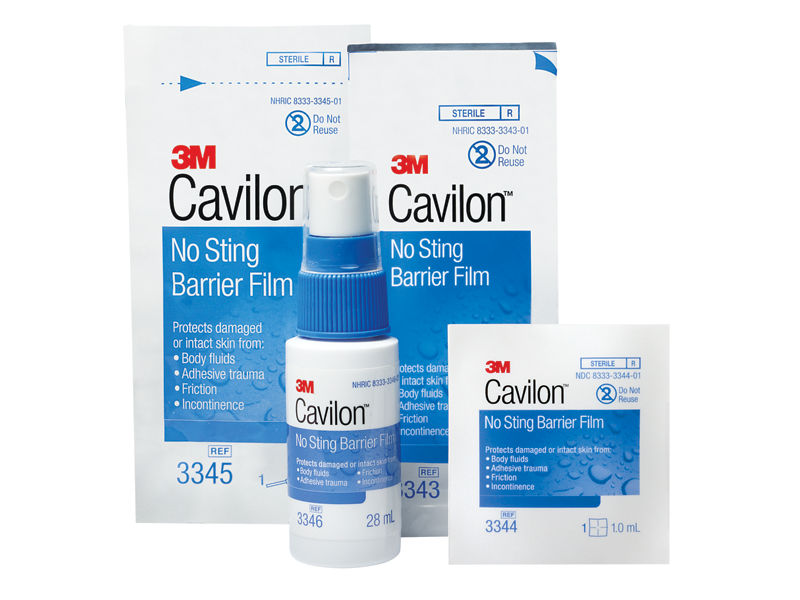
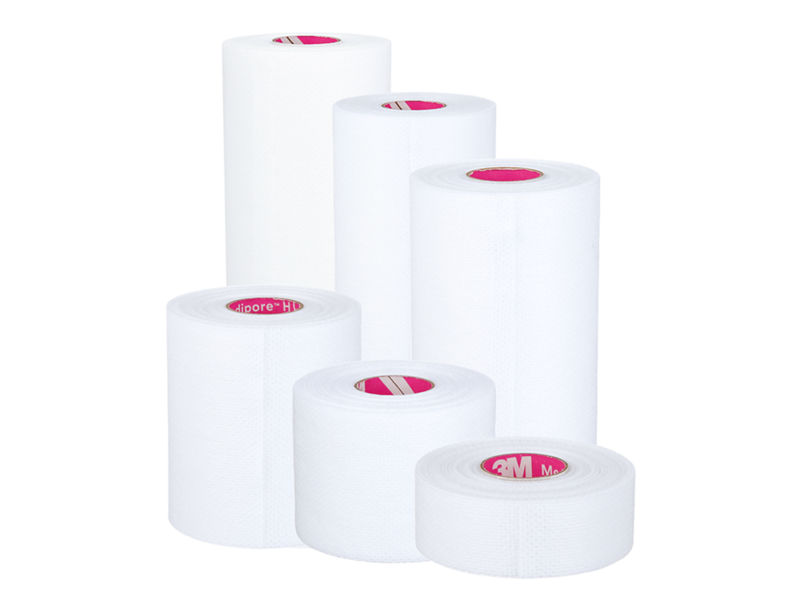
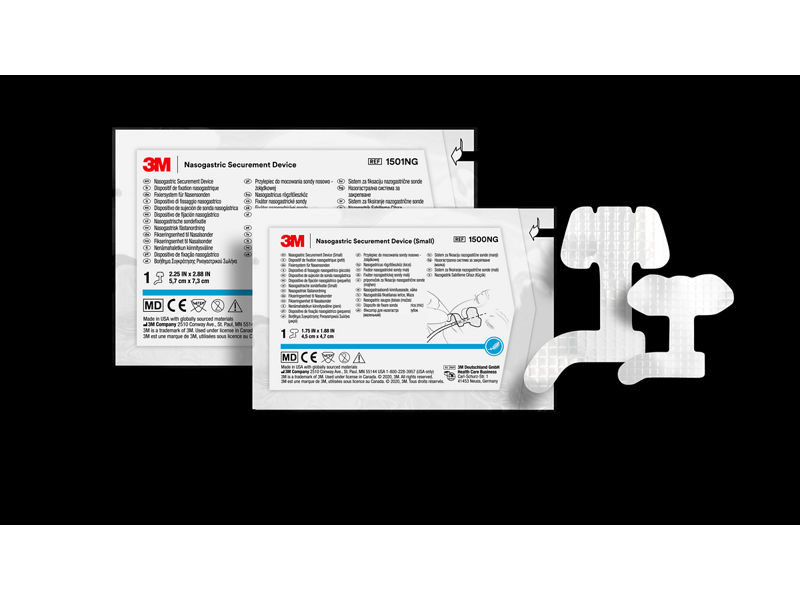
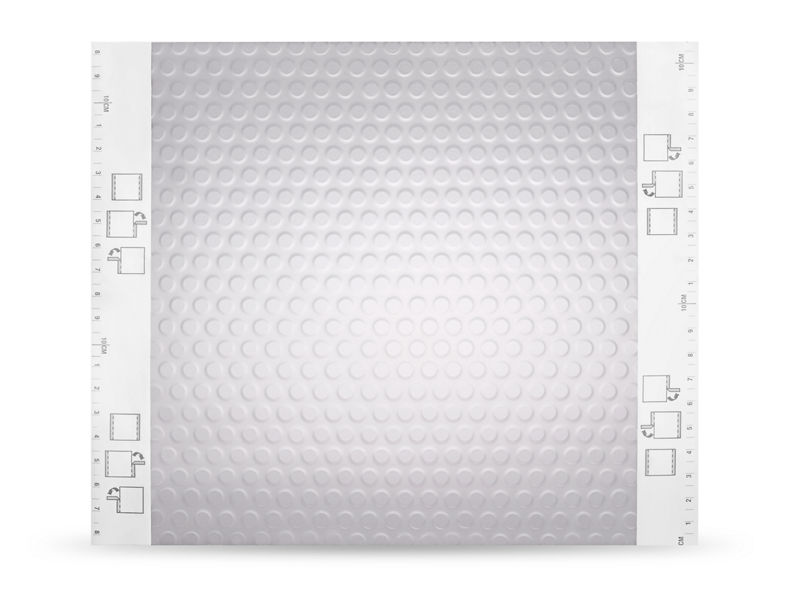
Helping you keep patients comfortable while protecting skin from preventable medical adhesive-related skin injuries (MARSI) is of utmost importance. As your ally in care, Solventum provides a wide range of medical tapes, skin-friendly products, and tools to help you maintain and protect the integrity and health of this vital organ.

New mom nuzzeling her newborn baby in a hospital room.

Why skin safety matters

Medical Adhesive Related Skin Injury (MARSI), occurs when the stickiness connecting an adhesive tape and skin is stronger than the surface cells, causing the epidermis to separate from the dermis when the tape is removed.


MARSI can cause pain, increase the risk of infection and delay healing – all of which can reduce a patient’s quality of life.2


Everyone requiring a medical adhesive is at risk of MARSI, with risk increasing with frequency of exposure.1

Secondary Image 2 for use on Cavilon No Sting Barrier Film PDPs featuring skin layer protection image and protects skin against MARSI during dressing or tape removal text

Clinical Manifestations of MARSI

Skin stripping

Mechanical injury
Removal of one or more layers of the stratum corneum following removal of medical adhesive; stripped skin may appear shiny.

MARSI Skin Stripping
Tension injury or blister

Separation of the epidermis from the dermis as a result of distension of skin under an unyielding adhesive; blisters often develop at the edge of the adhesive.

MARSI Tension Injury
Skin tear

Wound caused by shear, friction and/or blunt force resulting in separation of skin layers; can be partial- or full-thickness.

MARSI Skin Tear
Folliculitis

Inflammatory reaction in hair follicle caused by shaving or entrapment of bacteria; appears as small, inflamed elevations of skin surrounding hair follicle.

MARSI Folliculitis
Maceration

Softening and breaking down of the skin resulting from prolonged exposure to moisture; increases susceptibility to damage; skin appears wrinkled and white/gray in color.

MARSI Heel Maceration
Irritant contact dermatitis

Reaction ranging from erythema and scaling to necrotic burns from nonimmunologic damage caused by chemicals in contact with the skin; may appear reddened and swollen.

MARSI Contact Dermatitis
Allergic contact dermatitis

Rare, cell-mediated immunologic response to adhesive or backing; typically appears as an area of erythematous, vesicular, pruritic dermatitis; persists for up to a week.

MARSI Allergic Dermatitis

Who is at risk

Individuals at high risk for MARSI include those with fragile skin—specifically neonates and the elderly—and patients in critical care, with chronic illnesses, malnutrition, dehydration, or those requiring frequent, long-term adhesive tape or dressing changes; however, experts now concur that a safer approach to preventing and assessing MARSI is to consider that everyone requiring a medical adhesive is potentially at risk.3
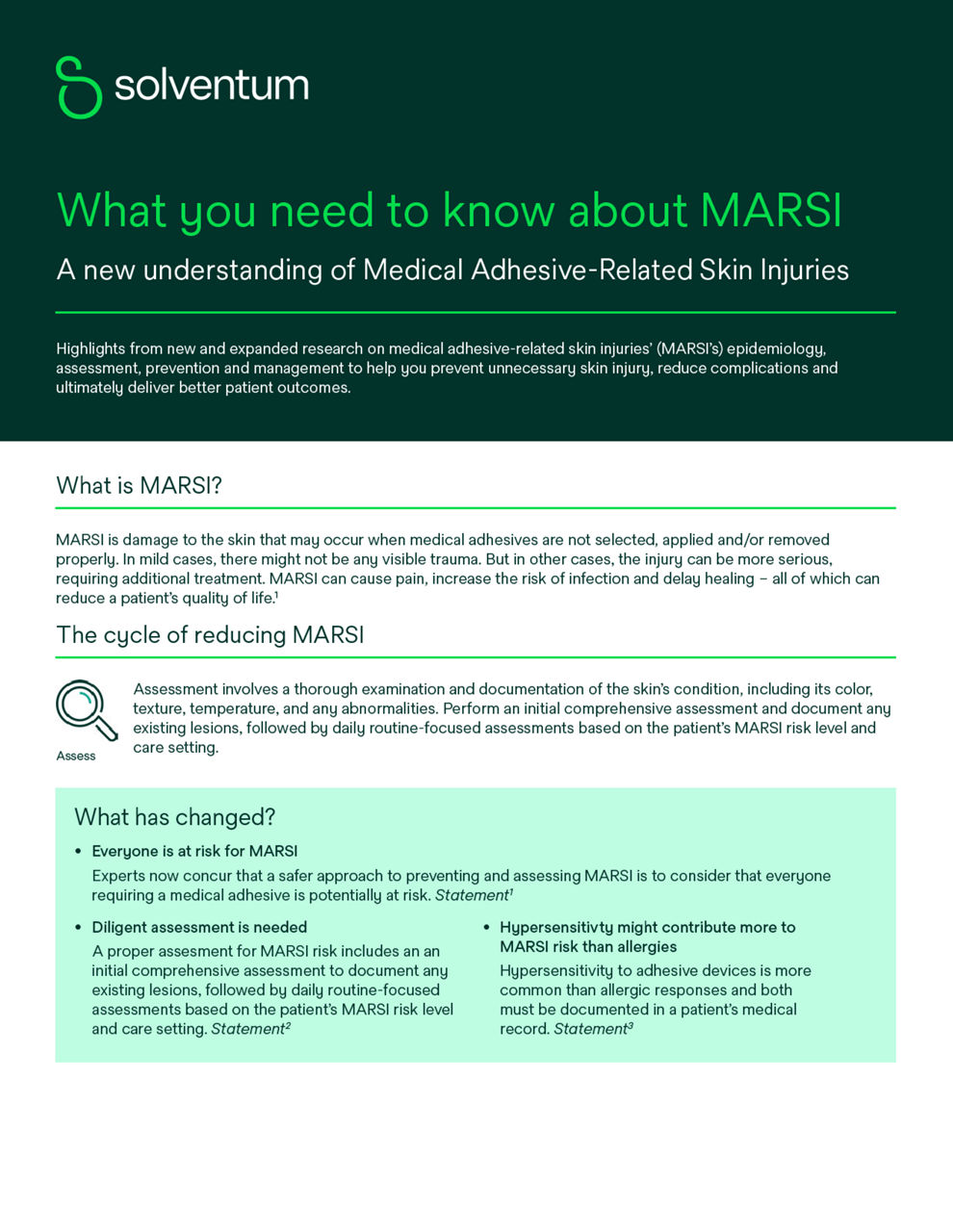
MARSI Cheat Sheet

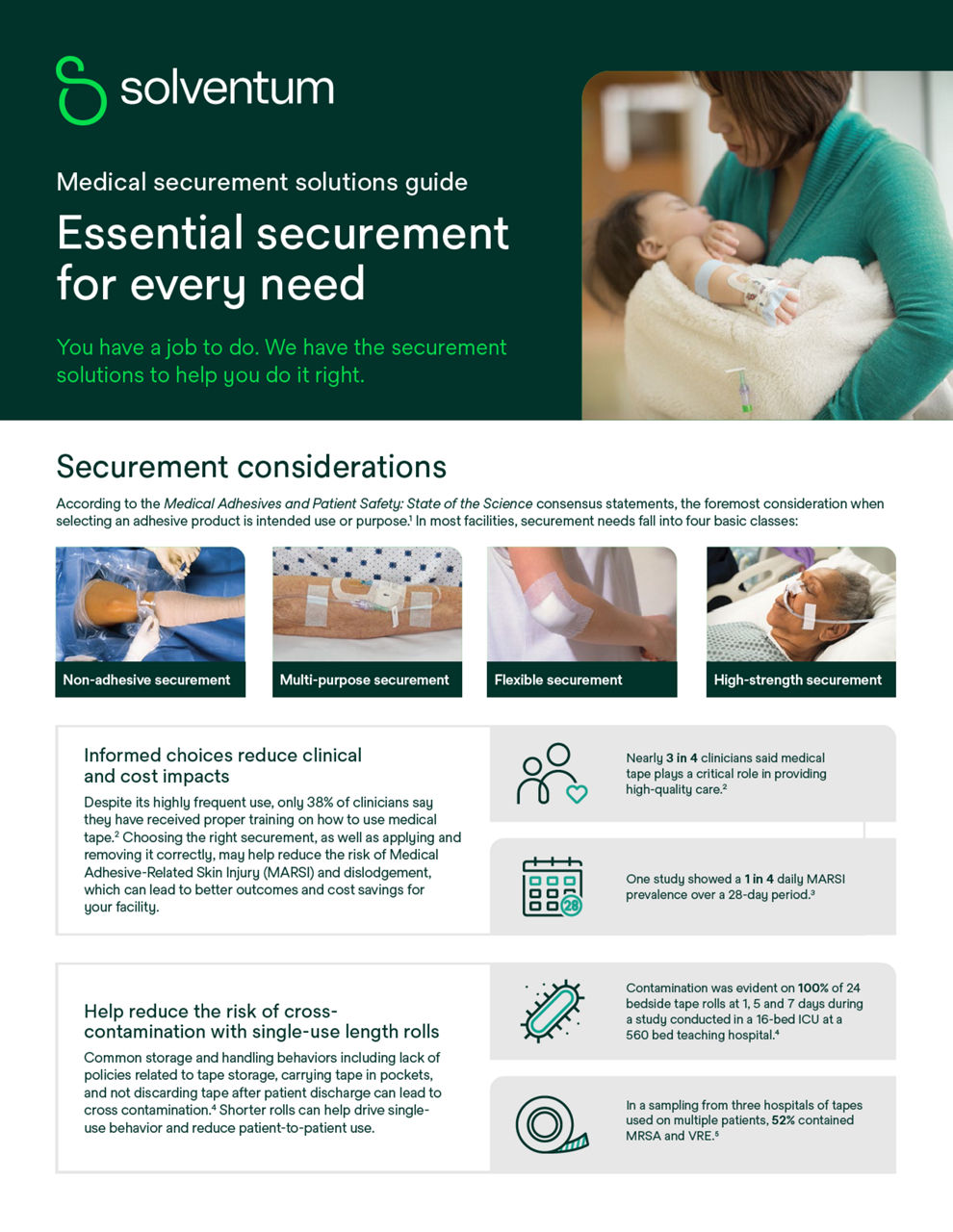
Highlights from new and expanded research on medical adhesive-related skin injuries’ (MARSI’s) epidemiology, assessment, prevention and management to help you prevent unnecessary skin injury, reduce complications and ultimately deliver better patient outcomes.

The cycle of reducing MARSI

Assess

Assessment involves a thorough examination and documentation of the skin's condition, including its color, texture, temperature, and any abnormalities. Perform an initial comprehensive assessment and document any existing lesions, followed by daily routine-focused assessments based on the patient’s MARSI risk level and care setting.

An iconographic representation of a magnifying glass with an exclamation point in the center.. Dark green and teal positive color palette.
Select

Choose an appropriate adhesive based on the skin type and intended use, then clean and dry the skin thoroughly to ensure optimal adhesion and reduce the risk of irritation.

An iconographic representation of two bandages crossing over each other. Dark green and teal positive color palette.
Apply

To apply a pressure-sensitive adhesive to the skin, firmly press the adhesive onto clean, dry skin to ensure proper bonding and minimize the risk of detachment. Avoid stretching the adhesive on placement.

An iconographic representation of a dressing being applied. The bandage is partially peeled back with a rectangle dotted outline showing where to apply the bandage and an arrow moving left. Dark green and teal positive color palette.
Remove

Gently peel the adhesive off while supporting the surrounding skin to minimize discomfort and avoid causing damage.

An iconographic representation of a bandage being removed and a do not symbol over a lightning bolt to represent pain-free removal. Dark green and teal positive color palette.

Products

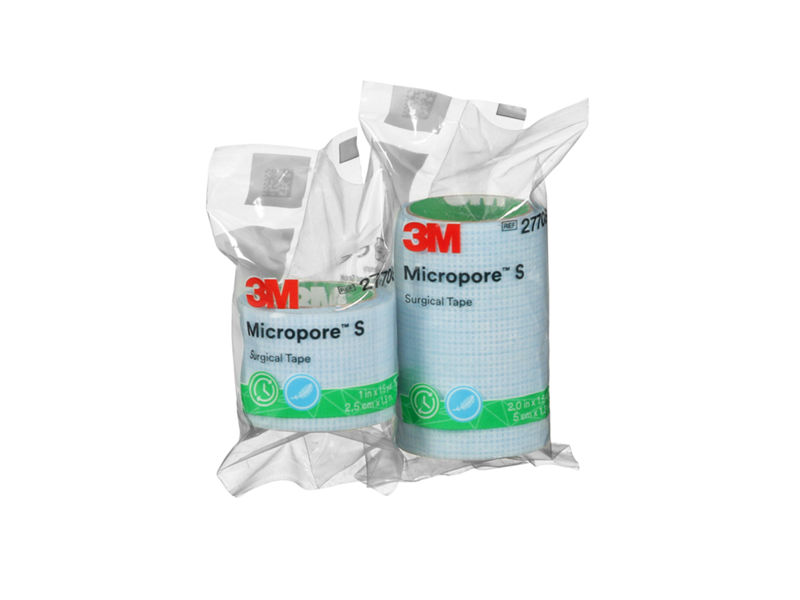
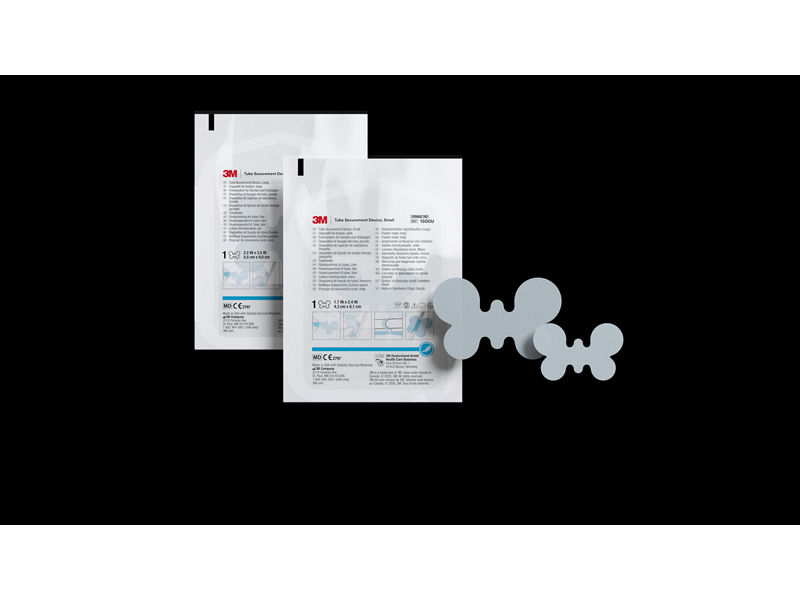
With a broad portfolio of securement and adhesive solutions—including silicone‑based options—Solventum helps clinicians take action to reduce the risk of MARSI.
Contact a Solventum representative


Solventum will use the information to respond to your request in accordance with our Privacy Policy

References:
  1. Barton, Andrew; Broadhurst, Daphne; Hitchcock, Jan; Lund, Carolyn; McNichol, Laurie; Ratliff, Catherine R.; Moraes, Juliano Teixeira; Yates, Stephanie; Gray, Mikel. Medical Adhesive-Related Skin Injury at 10 Years: An Updated Consensus. J Wound Ostomy Continence Nurse. 51(5S):p S2-S8, September/October 2024.
  2. McNichol L, Lund C, Rosen T, Gray M. Medical adhesives and patient safety: state of the science. Consensus statements for the assessment, prevention and treatment of adhesive-related skin injuries. J WOCN. 2013;40(4):365-380
  3. Medical Adhesive‑Related Skin Injury (MARSI): Preventing Patient Harm.” Wounds International, vol. 15, no. 3, 2024, pp. 28–32.