"We hebben gedetecteerd dat u onze site bezoekt vanuit {0}. Wilt u van taal wisselen voor inhoud op maat?"

Skin-contact layer solutions for Medical OEMs

The skin contact layer is where a wearable device meets the skin, affecting comfort, safety and performance. This layer must balance secure adhesion with skin compatibility to support wear time and uninterrupted data collection.

Exploded view of a wearable device showing stacked flexible sensor layers, circuitry, and a top controller with buttons, with the bottom skin contact layer highlighted.

Overview

What is skin contact layer?

This layer ensures secure adhesion while preserving skin health and device functionality.

Key functions:

  • Providing a strong, flexible interface for adhesion to skin
  • Ensuring biocompatibility to reduce the risk of irritation
  • Supporting sensor accuracy through consistent skin contact

Skin-contact layers are essential in wearable devices for healthcare monitoring, biosensing and treatment applications.
Adhesive technologies for skin contact layers

Adhesives in this layer must provide secure attachment while safeguarding skin health.

Key performance criteria:

  • Biocompatibility: Reduce risk of skin irritation
  • Breathability: Support moisture management
  • Gentle Removal: Enable clean release from skin
  • Compatibility: Suitable for sterilization and sensor integration

Common materials:

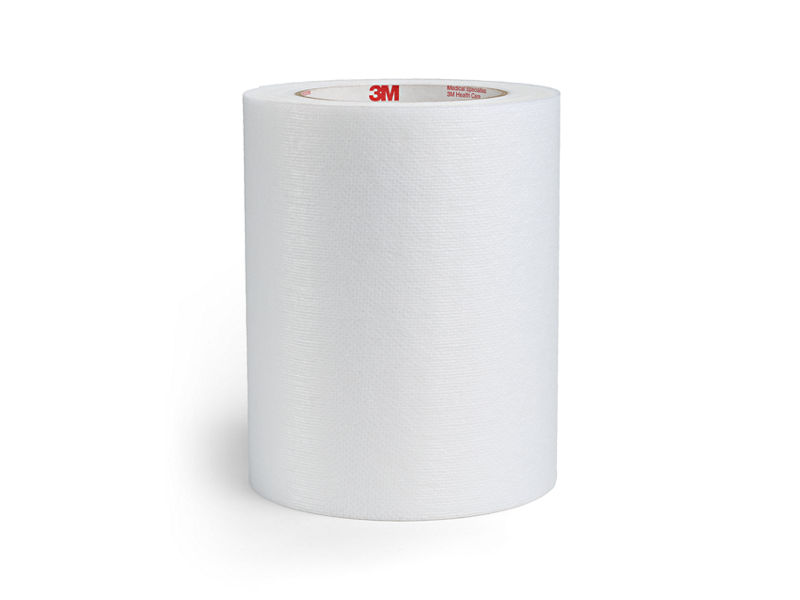
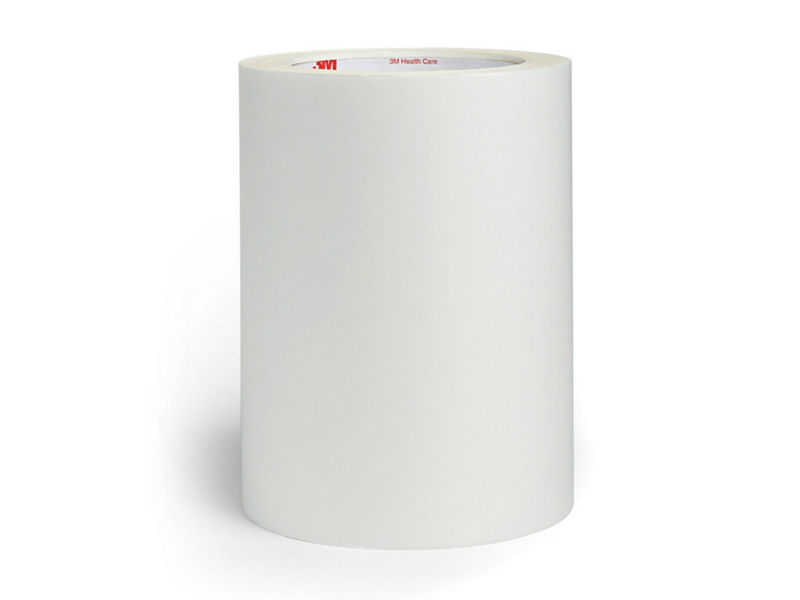
  • Single-coated materials – for direct skin contact
  • Double-coated materials – for device attachment and skin contact
  • Silicone layers – for gentle adhesion
  • Foam tapes – for cushioning
  • Thin films – for easy release
  • Non-woven substrates – for enhanced comfort

Solventum offers a range of adhesive materials and design support to help engineers meet both user comfort and device performance requirements.

Design considerations for OEM engineers

OEM engineers must balance user comfort with technical and manufacturing constraints.

Engineering priorities:

  • Biocompatibility: Reduce the risk of irritation
  • Adhesive Performance: Secure adhesion to skin
  • Moisture Management: Prevent skin maceration and support sensor accuracy
  • Thermal Stability: Maintain performance under body heat and environmental conditions
  • Scalability: Materials support high-volume production
Partnering for performance

Solventum supports OEMs with high-performance materials engineered for skin contact applications. Our portfolio includes medical adhesives designed for comfort, safety, and regulatory compliance.

Our support includes: 

  • Expert guidance on material and adhesive selection
  • Collaborative design support
  • Rapid sampling for prototyping and evaluation
  • We provide documentation to assist with your regulatory compliance

Whether you're designing for continuous monitoring, short-term diagnostics, or therapeutic wearables, we help you choose the right materials for safe, comfortable, and reliable skin contact.

Our differentiators

Proven adhesive technologies in real‑world use 

Adhesive technologies validated through use in our own medical devices — extending proof beyond lab testing. 

Designed for skin with in‑house expertise 

Adhesives are designed for skin using in‑house clinical resources, skin panels and R&D — not sourced off the shelf. 

65 years of adhesive development experience 

Decades of adhesive development inform material design, performance and long‑term wear considerations. 

Products

Explore our portfolio of medical adhesive and tape technologies that support the creation of reliable, flexible, and skin-friendly wearable medical devices.

FAQs

Read our comprehensive FAQ to quickly find clear answers to common skin contact layer questions.

Silicone‑based materials are commonly used for sensitive skin applications because they: 

  • Provide gentle adhesion suitable for fragile skin. 
  • Allow repositioning during application. 
  • Support easier, lower‑trauma removal compared to more aggressive adhesives. 
These properties make silicone a frequent choice when comfort and skin integrity are priorities. 

Balancing adhesion and removability requires selecting materials that: 

  • Maintain consistent adhesion throughout the intended wear time. 
  • Avoid excessive bond strength that may stress the skin at removal. 
  • Match adhesive performance to the device, user and wear conditions. 

  • Materials selected for skin contact can help reduce skin stress by: 
  • Matching adhesion strength to the application and wear duration. 
  • Supporting breathability and flexibility to reduce skin occlusion. 
  • Enabling controlled, gentle removal at the end of wear. 
  • Adhesive tapes should be considered as a system. Incorporating removal considerations through proper material selection can help reduce the risk of skin injury. 

Skin conditions can influence adhesion by: 

  • Reducing adhesive wet‑out due to oils or lotions. 
  • Increasing moisture at the skin interface from sweat. 
  • Preventing full contact when hair is present. 

These factors should be considered when selecting adhesive type, backing and placement. 

Repositionability may be preferred when: 

  • Accurate placement is critical during application. 
  • The device is applied by the user rather than a clinician. 
  • Skin is fragile and may be stressed by repeated removal. 

In these cases, gentler adhesive systems can support better placement and comfort. 

Skin movement can challenge adhesion due to stretching, compression, and shear forces. Materials that are flexible and conformable help maintain contact across joints or high‑movement areas.

Skin contact materials should be evaluated early to: 

  • Identify comfort and adhesion risks before designs are finalized. 
  • Reduce late‑stage material changes. 
  • Support more reliable performance in real‑world use. 
  • Account for non‑adhesive factors that influence device adhesion, such as device shape and external failure modes. 

Contact us

We're here to help! Our team of design experts love to answer questions and offer customized recommendations for your unique device needs. Submit the form below to speak with a one of our Solventum design specialists to learn more about your options.

Looking for customer support? Visit the customer support page.

Fields marked with an * are required.


Solventum will use the information to respond to your request in accordance with our Privacy Policy

There was a submission issue, please try again later.

Tools & resources