"We hebben gedetecteerd dat u onze site bezoekt vanuit {0}. Wilt u van taal wisselen voor inhoud op maat?"

Outer protective layer solutions for medical OEMs

An outer protective layer is the primary environmental shield for medical wearables, protecting internal electronics from moisture, sweat and mechanical stress. Often utilized as overlay patches, these layers combine durability with high breathability to extend the functional wear-time of diagnostic and therapeutic devices.

Exploded view of a wearable device showing stacked flexible sensor layers, circuitry, and a top outer layer controller with buttons.

Overview

What is an outer protective layer? 

This layer forms the external surface of the device.

Key functions:

  • Delivers structural support for multi-layered device architecture
  • Minimizes the stress between the skin patch and bonding components
  • Supports automated assembly and lamination processes
  • Maintains mechanical integrity throughout wear and use
  • Ensures biocompatibility for safe skin interaction

The outer layer is essential in wearables used for continuous monitoring, therapeutic delivery and biometric sensing.
Adhesive technologies for outer layers

Pressure-sensitive adhesives (PSAs) used in this layer must provide strong bonding while maintaining flexibility and resistance to environmental factors.

Key performance criteria:

  • Secure Adhesion: Bond to flexible substrates and multilayer assemblies
  • Contaminant Resistance: Withstand sweat, moisture and external elements
  • Sterilization Compatibility: Maintain integrity through sterilization
  • Process Efficiency: Support automated lamination and die-cutting
  • Biocompatibility: Reduce risk of irritation

Common materials:

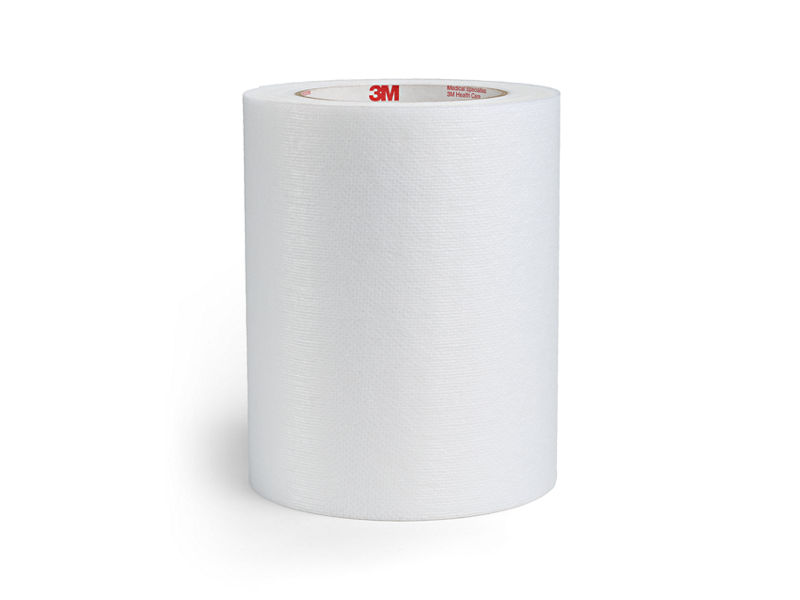
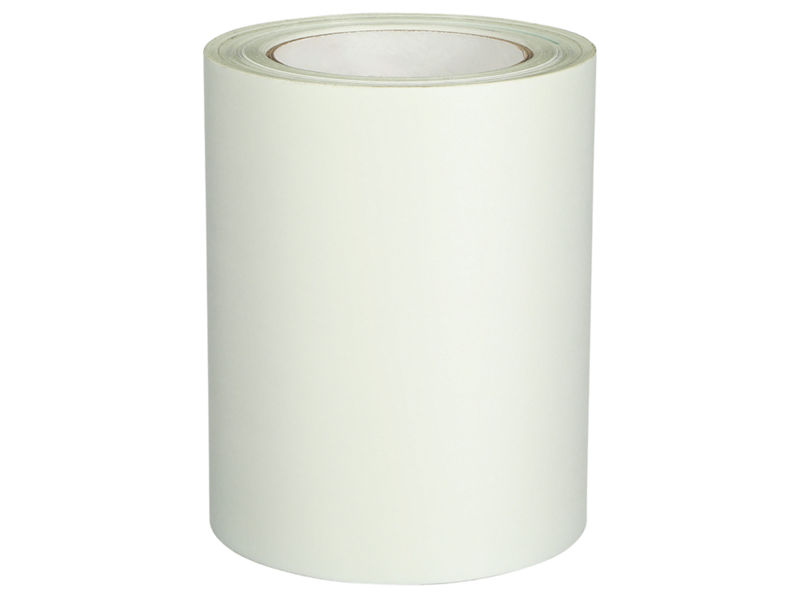
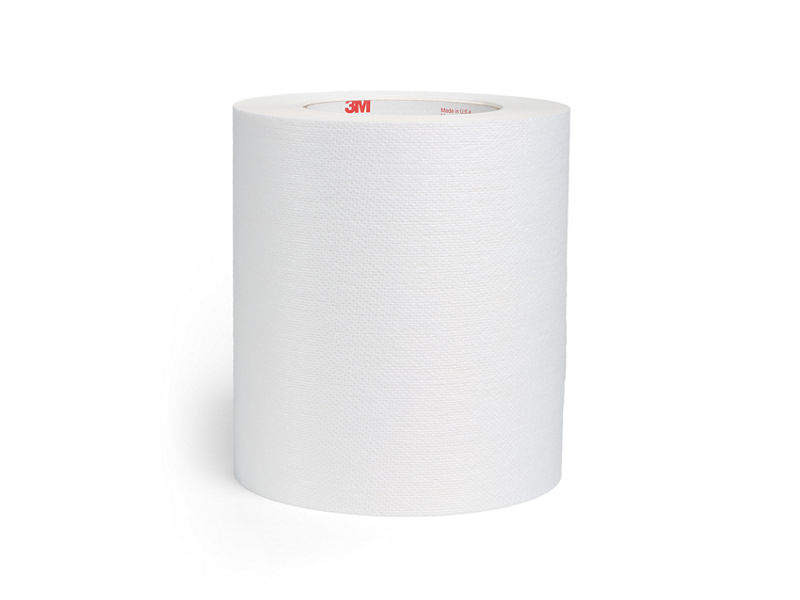
  • Polyurethane tape – thin and flexible
  • Nonwoven tape – soft and conformable
  • Foam tape – provides cushioning

Solventum offers adhesive materials and design support to ensure outer layers perform reliably across varied wear conditions.

Design considerations for OEM engineers

Designing the outer protective layer requires balancing durability, flexibility and manufacturability.

Engineering priorities:

  • Barrier Properties: Prevent ingress of fluid, dust and contaminants
  • Flexibility and Conformability: Support comfort during movement
  • Thermal Stability: Maintain performance under body heat and sterilization
  • Assembly Tolerances: Ensure clean alignment with internal layers
  • Scalability: Materials and processes must support high-volume production
  • Material Compatibility: Important for integration with other device layers
  • Biocompatibility: Reduce the risk of irritation
  • Moisture management
Partnering for performance

Solventum supports OEMs with high-performance materials engineered for outer protective layer applications. Our portfolio includes medical tapes designed for durability, flexibility and compliance.

Our support includes:

  • Expert guidance on material and adhesive selection
  • Collaborative design support
  • Rapid sampling for prototyping and evaluation
  • We provide documentation to assist with your regulatory compliance

Whether you're designing for daily wear, athletic use, or clinical monitoring, we can help you choose the right materials for protection, comfort and manufacturability.

Our differentiators

Design informed by clinical insight and wear performance

Clinical studies guide material design to support intended wear duration and reduce performance gaps across the device system.

Backings engineered for comfort, function and differentiation

Backing materials deliver reliable performance across discreet, comfort‑focused and visually differentiated device designs.

Engineered to support device function and reliability 

Materials support longer wear, moisture management, reduced contamination risk and heavier payloads without compromising reliability. 

FAQs

Read our comprehensive FAQ to quickly find clear answers to common outer protective layer questions.

Over time, interaction between layers can be influenced by: 

  • Mechanical stress from movement or handling. 
  • Moisture exposure at edges or seams. 
  • Differences in flexibility between layers. 

An outer layer may restrict performance if it: 

  • Is too stiff for the application. 
  • Does not conform well to body movement. 
  • Adds unnecessary thickness to the device. 

Moisture ingress can be reduced by: 

  • Designing continuous or overlapping barriers. 
  • Minimizing exposed edges. 
  • Selecting materials that maintain adhesion during wear. 

Repeated handling can cause wear over time. Materials should be selected to: 

  • Resist abrasion and surface damage. 
  • Maintain appearance and integrity during use. 
  • Protect underlying components from mechanical stress. 

An integrated layer may be preferred for simpler designs, while a separate overlay may be used when: 

  • Additional reinforcement is needed. 
  • Extended wear or harsh environments are expected. 
  • Modular protection is beneficial to the design. 

Contact us

We're here to help! Our team of design experts love to answer questions and offer customized recommendations for your unique device needs. Submit the form below to speak with a one of our Solventum design specialists to learn more about your options.

Looking for customer support? Visit the customer support page.

Fields marked with an * are required.


Solventum will use the information to respond to your request in accordance with our Privacy Policy

There was a submission issue, please try again later.

Tools & resources