Infections du sang

Prévenir les infections du sang avant qu’elles ne surviennent
La thérapie intraveineuse est un élément essentiel et fondamental de la prise en charge des patients. Bien que la perfusion soit une méthode courante pour administrer des liquides et des médicaments, elle n’est pas sans risques.
En effet, les infections du sang associées aux cathéters (CABSIs) peuvent survenir lors de l’insertion initiale ou à tout moment pendant la durée de l’accès intraveineux — entraînant potentiellement des séjours hospitaliers prolongés¹–⁵, une augmentation des coûts de prise en charge²,⁴ et une mortalité plus élevée des patients².

Découvrez notre gamme de solutions pour réduire le risque d’infection du sang (BSI) chez vos patients
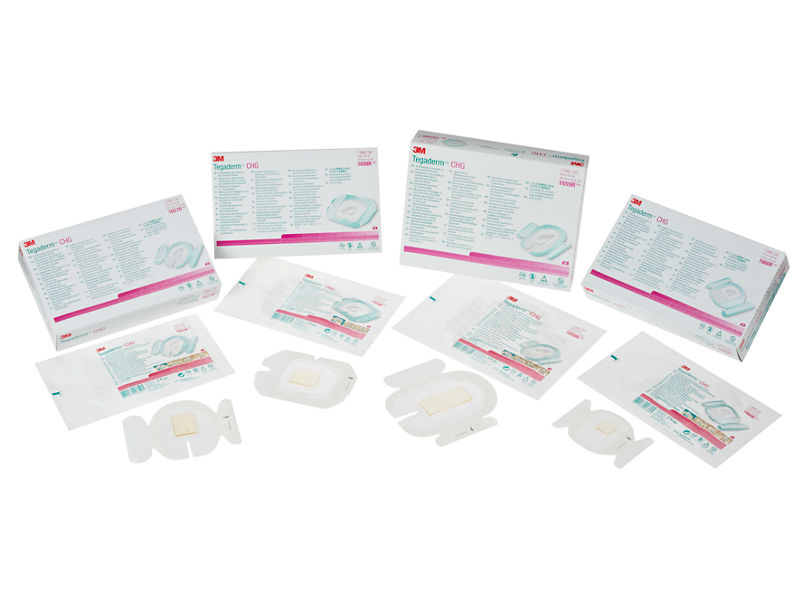
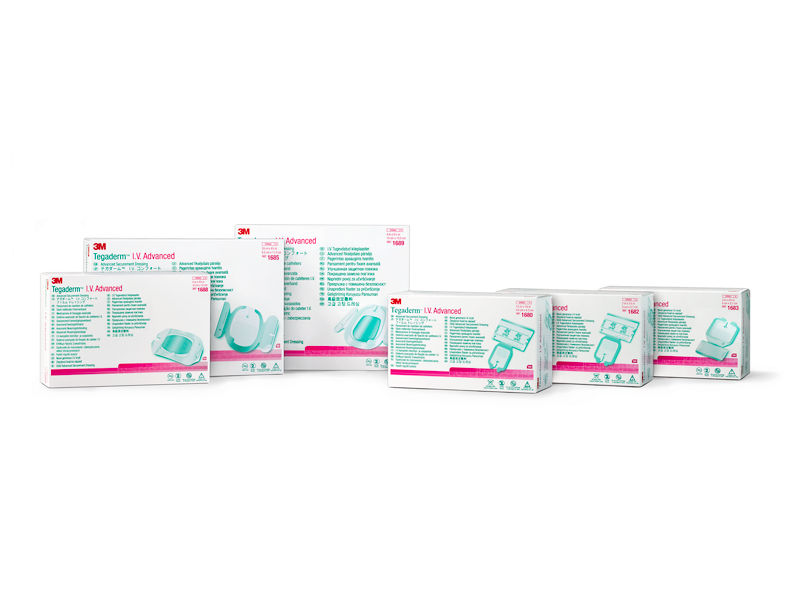
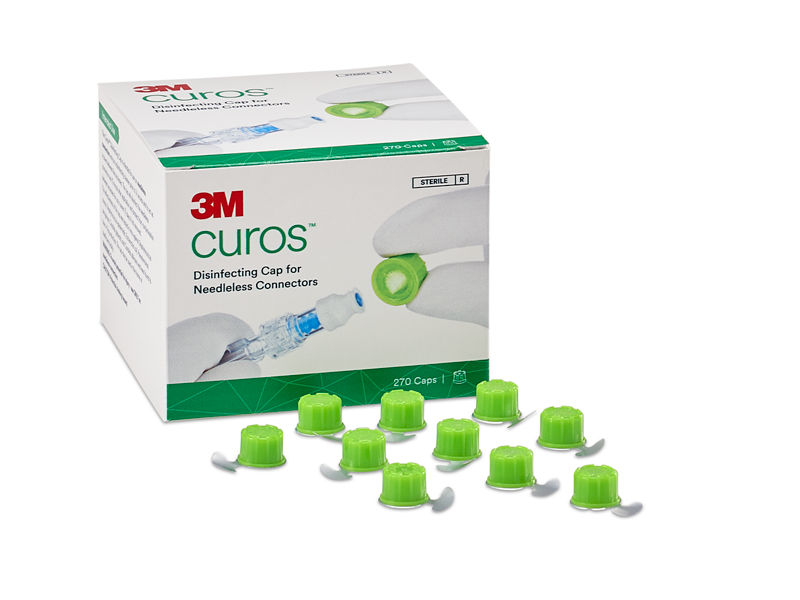
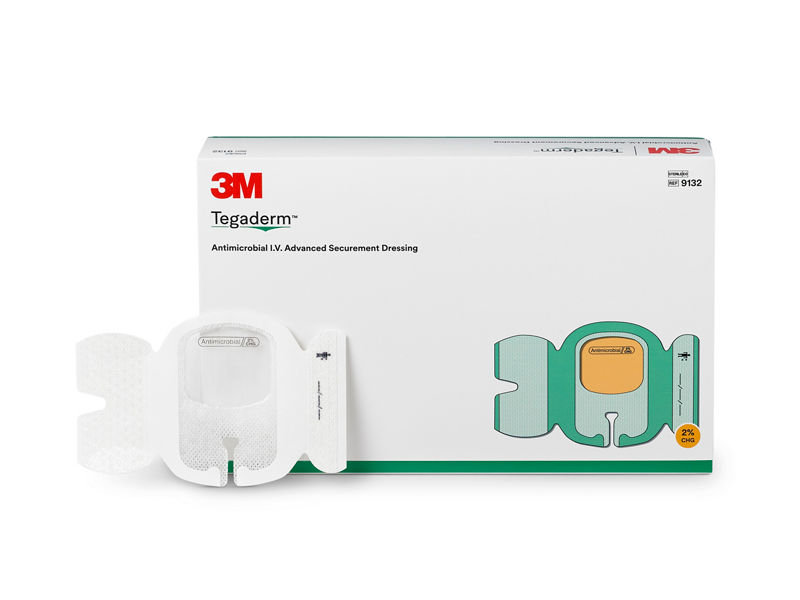
Des pansements transparents aux dispositifs de fixation à forte adhérence, en passant par les pansements antimicrobiens et les capuchons de désinfection, notre large portefeuille de solutions vous permet de choisir et d’utiliser facilement les produits les plus adaptés pour chaque patient.
Ressources produits
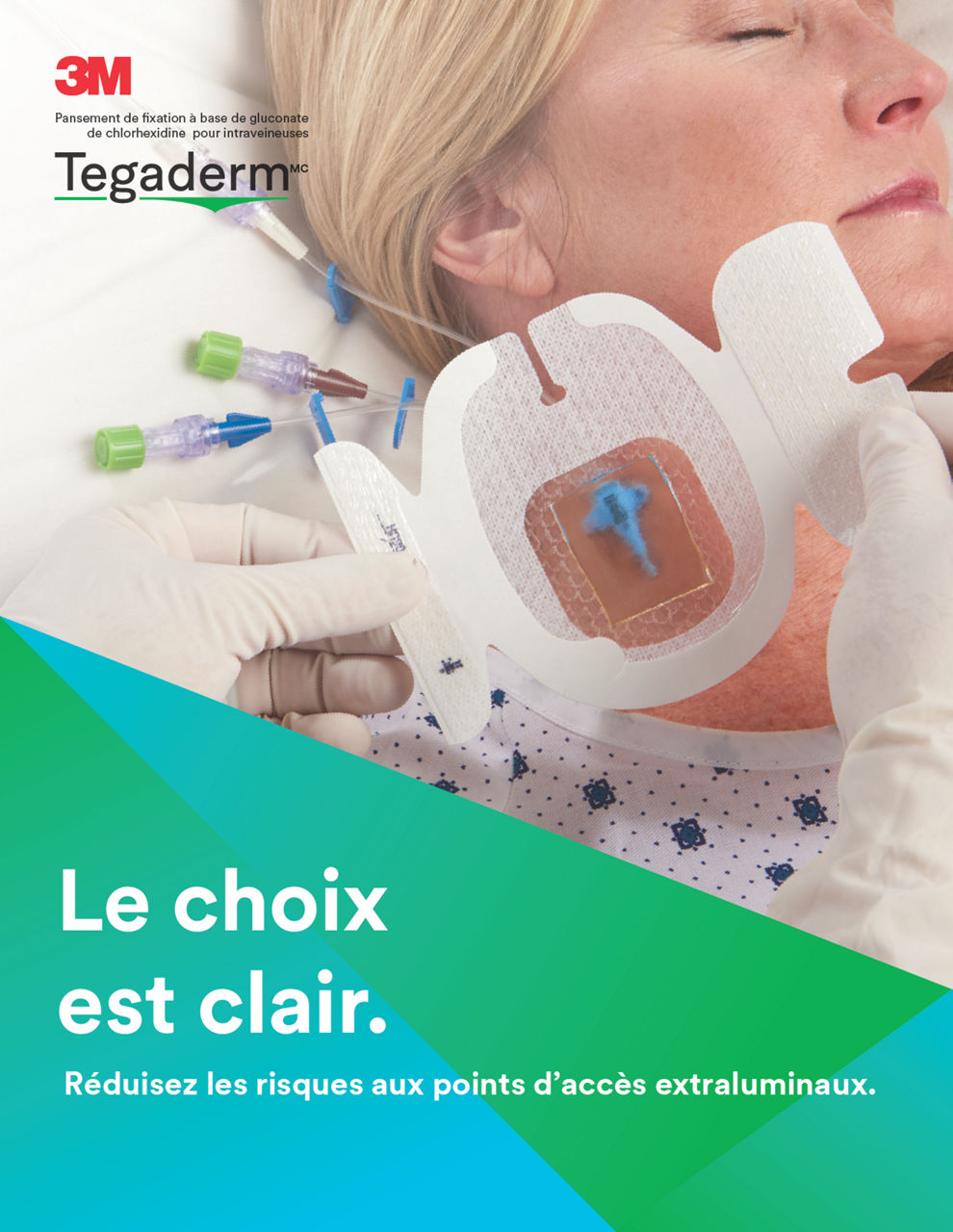
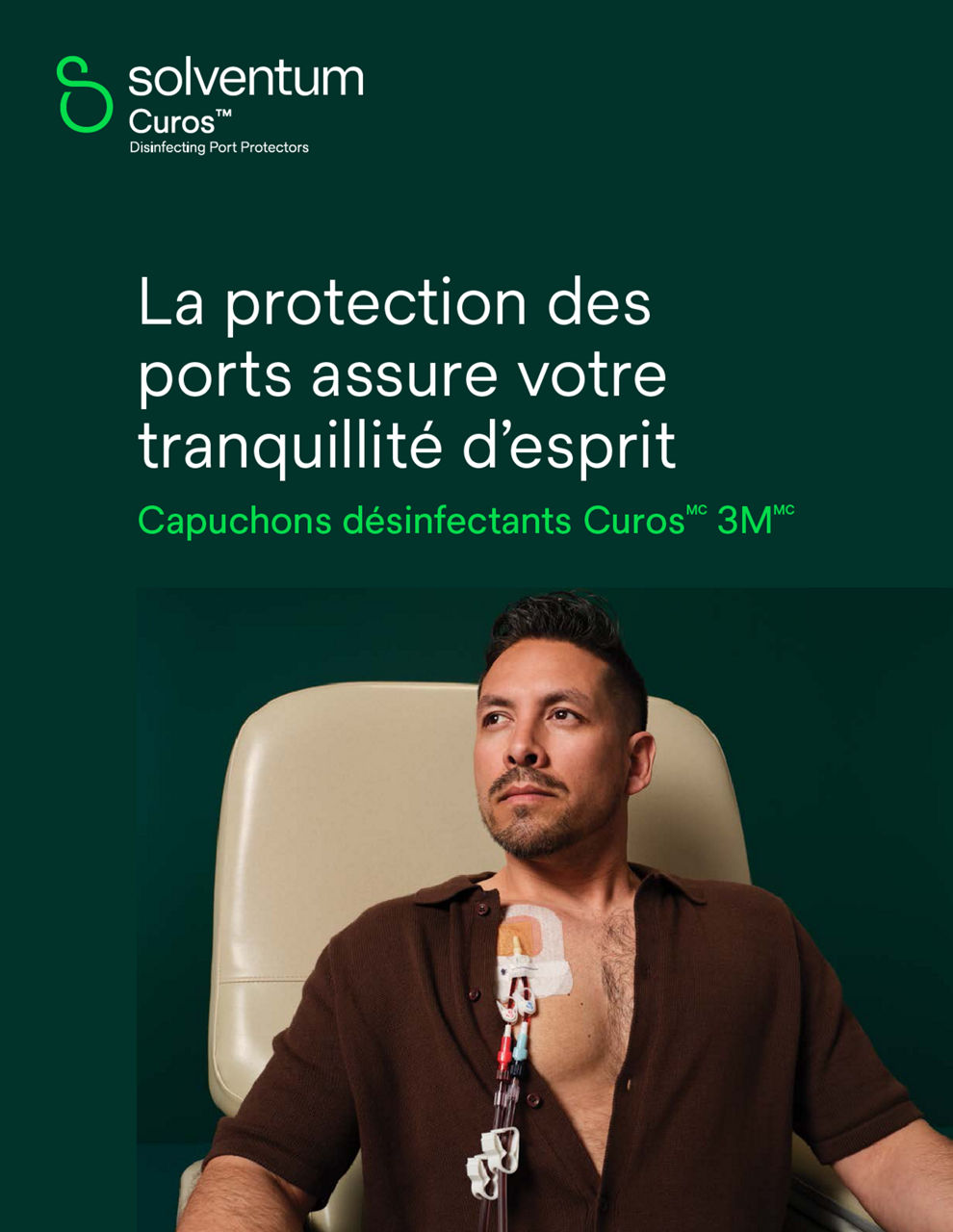

Trouvez la solution de cathéter adaptée à chaque patient
Les patients doivent pouvoir avoir la certitude que leur sécurité et leur santé sont toujours la priorité absolue. Pourtant, il n’est pas toujours facile d’identifier le cathéter le plus approprié à chaque situation clinique.
Nous proposons trois options : des solutions antimicrobiennes, des pansements de fixation avancés et une protection de base. Contactez votre représentant local pour bénéficier d’un essai gratuit et découvrir concrètement comment nos produits peuvent contribuer à la prise en charge et à la sécurité de vos patients.
Afin de vous aider à obtenir les meilleurs résultats, nous avons élaboré un guide d’aide au choix du cathéter, qui associe les situations cliniques aux dispositifs les plus adaptés.
Données probantes et recommandations
Découvrez les données les plus récentes issues de la recherche ainsi que les recommandations d’experts pour réduire les infections du sang liées aux cathéters. Renforcez vos pratiques grâce à des connaissances clés et des bonnes pratiques visant à améliorer les résultats pour les patients.
Ressources d’assistance
References:
- Maki, D., and L. Mermel. “Infections Due to Infusion Therapy.” In Hospital Infections, 4th ed., edited by J. V. Bennett and P. S. Brachman, (1998), 689–724. Philadelphia: Lippincott-Raven.
- Signs, CDC Vital. "Making healthcare safer: Reducing bloodstream infections." Morbidity and Mortality Weekly Report 60, no. 8 (2011): 243-248.
- Blot, Stijn I., Pieter Depuydt, Lieven Annemans, Dominique Benoit, Eric Hoste, Jan J. De Waele, Johan Decruyenaere, Dirk Vogelaers, Francis Colardyn, and Koenraad H. Vandewoude. "Clinical and economic outcomes in critically ill patients with nosocomial catheter-related bloodstream infections." Clinical Infectious Diseases 41, no. 11 (2005): 1591-1598.
- Zimlichman, Eyal, Daniel Henderson, Orly Tamir, Calvin Franz, Peter Song, Cyrus K. Yamin, Carol Keohane, Charles R. Denham, and David W. Bates. "Health care–associated infections: a meta-analysis of costs and financial impact on the US health care system." JAMA internal medicine 173, no. 22 (2013): 2039-2046.
- Scheithauer, S., K. Lewalter, J. Schröder, A. Koch, H. Häfner, V. Krizanovic, K. Nowicki, R-D. Hilgers, and S. W. Lemmen. "Reduction of central venous line-associated bloodstream infection rates by using a chlorhexidine-containing dressing." Infection 42, no. 1 (2014): 155-159.
- Timsit, Jean-François, Olivier Mimoz, Bruno Mourvillier, Bertrand Souweine, Maïté Garrouste-Orgeas, Serge Alfandari, Gaétan Plantefeve et al. "Randomized controlled trial of chlorhexidine dressing and highly adhesive dressing for preventing catheter-related infections in critically ill adults." American journal of respiratory and critical care medicine 186, no. 12 (2012): 1272-1278.
- Loveday, H. P., J. A. Wilson, J. Prieto, and M. H. Wilcox. "epic3: revised recommendation for intravenous catheter and catheter site care." Journal of Hospital Infection 92, no. 4 (2016): 346-348.
- "The 3M Tegaderm CHG IV securement dressing for central venous and arterial catheter insertion sites." Medical Technologies Guidance, MTG 25. National Institute for Health and Care Excellence, (2019). https://www.nice.org.uk/guidance/mtg25. Accessed November 25, 2024.