3M Bair Hugger 溫度管理解決方案


溫度管理的科學:從始至終的體溫調節
在病人結果的成功與複雜之間,往往取決於幾度體溫的差異。無意的手術期間低溫是麻醉時常見但可避免的併發症,已知會增加手術部位感染(SSI)的風險,6,7延長恢復時間,8甚至提高死亡率。9 然而,通過遵循一個保持正常體溫的方案,其中包括在麻醉誘導之前到恢復期間的警惕性體溫監測和積極的保溫措施,可以預防低溫。
從我們的 3M Bair Hugger 溫度管理系統開始並結束您病人的圍手術期之旅
透過維持正常的核心身體體溫,病人的住院時間可減少2.6天。11
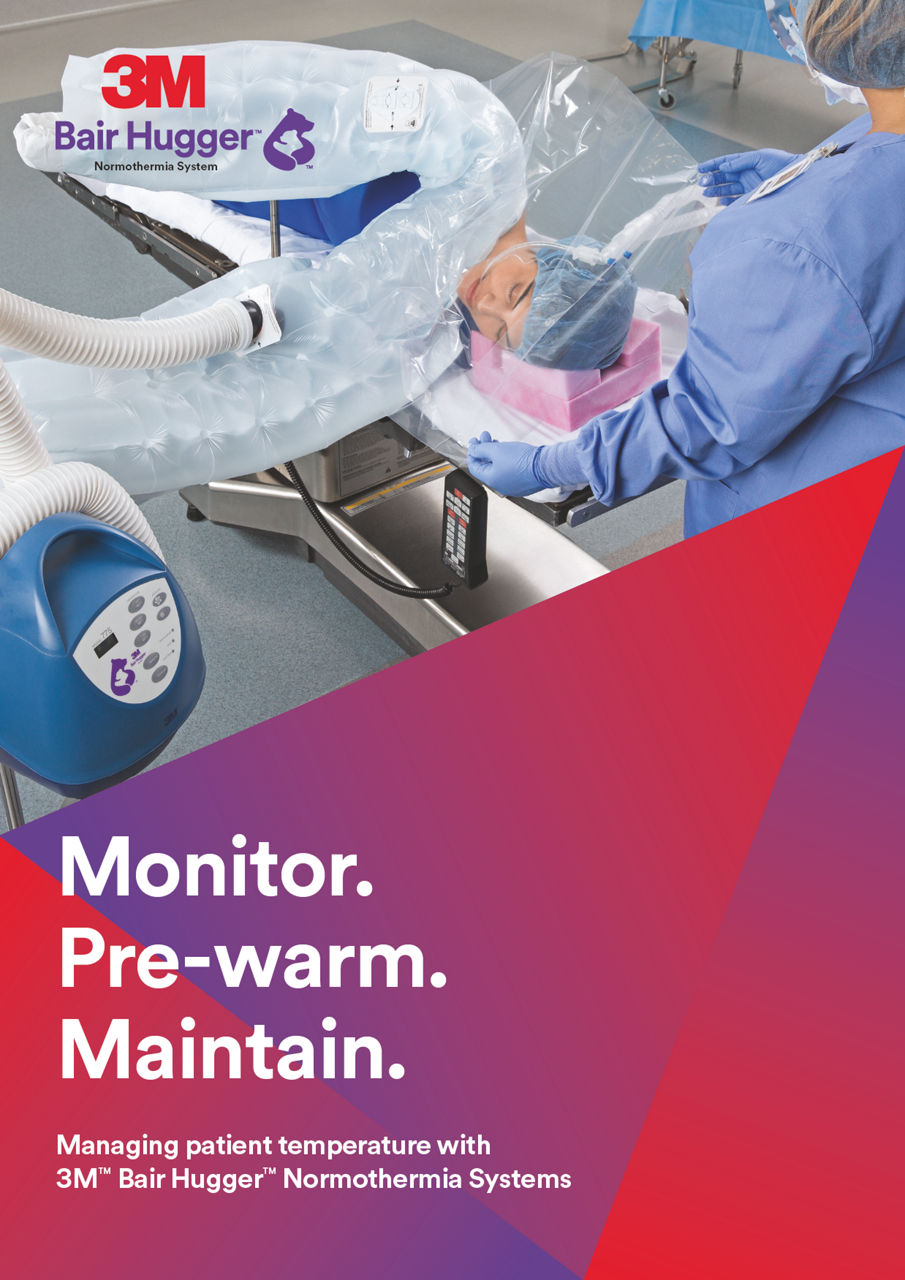
如何在手術過程中積極管理常溫:
積極地測量您的病人的體溫。使用3Mᵀᴹ Bair Huggerᵀᴹ 溫暖系統預熱他們,以幫助預防低溫症。
術前(pre-op)


在麻醉引導前進行預熱有助於維持正常體溫並減緩麻醉引起的熱量重新分布的影響。
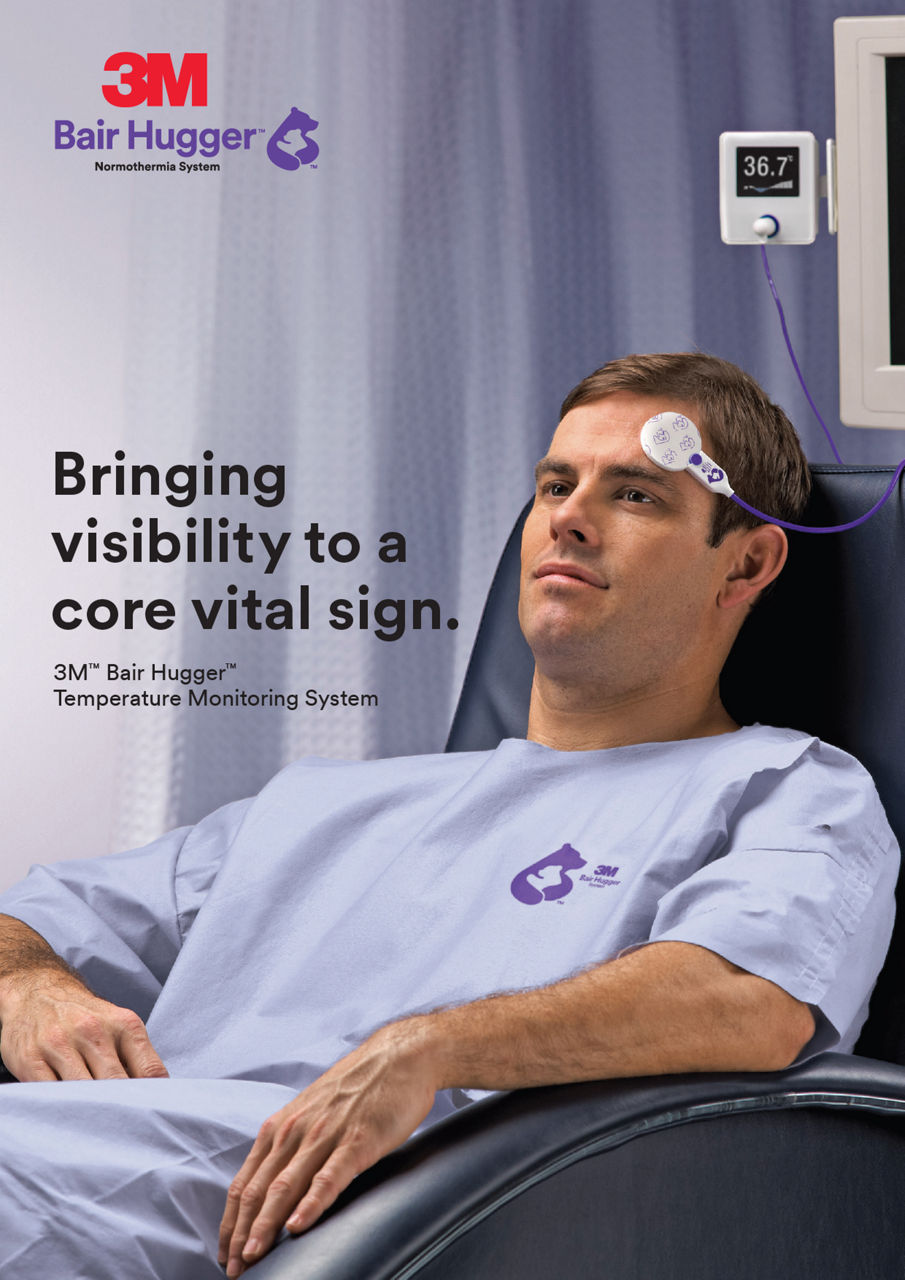
在手術過程中使用3Mᵀᴹ Bair Huggerᵀᴹ溫度監測系統來監控病人的核心體溫。主動使用3Mᵀᴹ Bair Huggerᵀᴹ溫暖系統來達成並維持正常體溫。
手術期間(術中)


繼續監控您病人的體溫。使用我們的3Mᵀᴹ Bair Huggerᵀᴹ 溫暖系統來幫助保護病人免受非意圖的手術期間低體溫。
術後


透過將病人的核心體溫維持在約 36.5°C (36.6 ± 0.5°C),研究顯示病人的住院時間可減少 2.6 天。21
3M Bair Hugger 溫度管理解決方案


注意:這些產品和療法具有特定的指示、限制、禁忌、警告、注意事項及安全資訊。使用前請諮詢臨床醫生並查閱產品使用說明。僅限醫師處方。

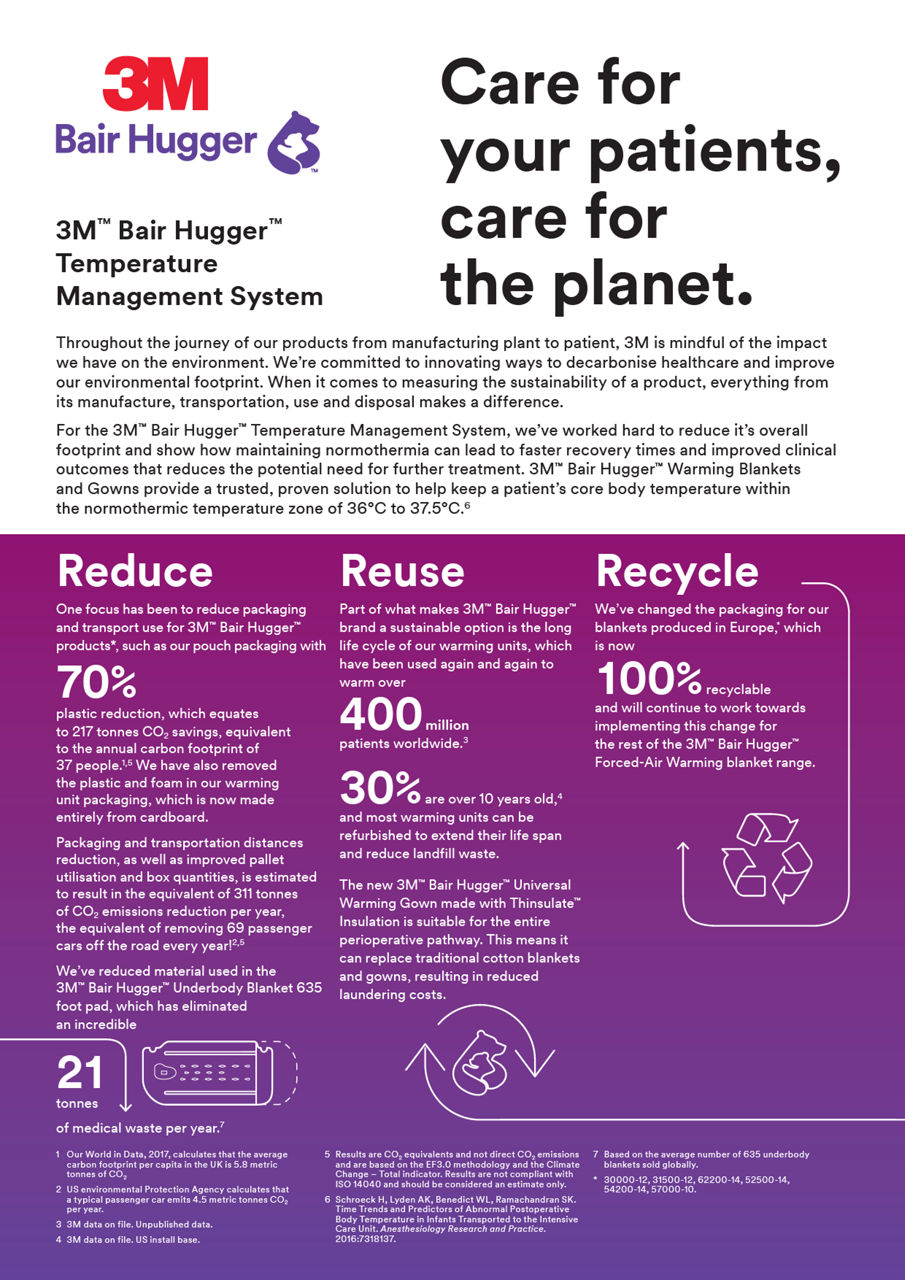
資源幫助維持正常體溫
溫度監控過程可能令人感到不知所措。我們提供有用資源,協助您了解更多關於我們的解決方案以及它們如何幫助您監控和維持病患在手術期間的正常核心體溫 —— 體溫恆定。


法律事實
參考資料:
- Kurz A, Sessler DI, Lenhardt R. Perioperative normothermia to reduce the incidence of surgical-wound infection and shorten hospitalization. Study of Wound Infection and Temperature Group. N Engl J Med. 1996;334(19):1209-1215.
- Kurz A, Sessler DI, Lenhardt R. Perioperative normothermia to reduce the incidence of surgical-wound infection and shorten hospitalization. Study of Wound Infection and Temperature Group. N Engl J Med. 1996;334(19):1209-1215.
- Bush HL Jr, Hydo LJ, et al. Hypothermia during elective abdominal aortic aneurysm repair: the high price of avoidable morbidity. J Vasc Surg. 1995;21:392-400; discussion 400-392.
- Lau A, Lowlaavar N, Cooke EM, et al. Effect of preoperative warming on intraoperative hypothermia: a randomized-controlled trial. Can J Anesth. 2018. doi.org/10.1007/s12630-018-1161-8.
- Kurz A, Sessler DI, Lenhardt R. Perioperative normothermia to reduce the incidence of surgical-wound infection and shorten hospitalization. NEJM. 1996 May 9; 334 (19): 1209-16.
- Horn, EP, Bein B, Bohm R, Steinfath M, Sahilin, and Hocker J. The effect of short time periods of pre-operative warming in the prevention of peri-operative hypothermia. Anaesthesia. 2012; 67: 612–617.
- Nelson G, Altman AD, Nick A, et al. Guidelines for pre- and intra-operative care in gynecologic/oncology surgery: Enhanced Recovery After Surgery (ERAS®) Society recommendations — Part I. Gynecologic Oncology. 2015; 2016; 140: 313-322.
- National Institute for Health and Care Excellence. Hypothermia: prevention and management in adults having surgery. Clinical Guideline [CG65]. (2016). https://www.nice.org.uk/guidance/cg65/chapter/Recommendations#perioperative-care. Published April 2008. Updated December 2016. Accessed July 18, 2019.
- Forstot RM. The etiology and management of inadvertent perioperative hypothermia. J Clin Anesth. 1995;7:657-674.
- Leslie K, Sessler DI. Perioperative hypothermia in the high-risk surgical patient. Best Pract Res Clin Anaesthesiol. 2003;17:485-498.
- Mahoney CB, Odom J. Maintaining intra-operative normothermia: a meta-analysis of outcomes with costs. AANA J. 1999;67(2):155-163.
- Schroeck H, Lyden AK, Benedict WL, Ramachandran SK. Time Trends and Predictors of Abnormal Postoperative Body Temperature in Infants Transported to the Intensive Care Unit. Anesthesiology Research and practice. 2016:7318137.
- Hooper VD, Chard R, Clifford T, Fetzer S, Fossum S, Godden B, Martinez EA, Noble KA, O’Brien D, Odom-Forren J, Peterson C, Ross J, Wilson L. ASPAN’s Evidence-Based Clinical Practice Guideline for the Promotion of Perioperative Normothermia: Second Edition. J PeriAnesth Nurs. Vol 25, No 6 (December), 2010: pp 346-365.
- 3M Data on File: EM-05-297733, EM-05-711315.
- 3M™ Bair Hugger™ System Research Compendium, 2017 at: FAWFACTS.com.
- 3M Data on File: EM-05-233213, EM-05-268428.
- U.S. News and World Report. America’s Best Hospitals: the 2023-2023 Honor Roll and Overview. U.S. News and World Report website. Accessed December 2023 .https://health. usnews.com/health-care/best-hospitals/articles/best-hospitals-honor-roll-and-overview.
- Horn, EP, Bein B, Bohm R, Steinfath M, Sahilin, and Hocker J. The effect of short time periods of pre-operative warming in the prevention of peri-operative hypothermia. Anaesthesia. 2012; 67: 612–617.
- Lau A, Lowlaavar N, Cooke EM, et al. Effect of preoperative warming on intraoperative hypothermia: a randomized-controlled trial. Can J Anesth. 2018. doi.org/10.1007/s12630-018-1161-8.
- National Institute for Health and Care Excellence. Hypothermia: prevention and management in adults having surgery. Clinical Guideline [CG65]. (2016). https://www.nice.org.uk/guidance/cg65/chapter/Recommendations#perioperative-care. Published April 2008. Updated December 2016. Accessed July 18, 2019.
- Kurz A, Sessler DI, Lenhardt R. Perioperative normothermia to reduce the incidence of surgical-wound infection and shorten hospitalization. NEJM. 1996 May 9; 334 (19): 1209-16.
- Horowitz PE, Delagarza MA, Pulaski JJ, Smith RA. Flow rates and warming efficacy with Hotline and Ranger blood/fluid warmers. Anesth Analg. 2004; 99 (3): 788-792.
- Nelson G, Altman AD, Nick A, et al. Guidelines for pre- and intra-operative care in gynecologic/oncology surgery: Enhanced Recovery After Surgery (ERAS®) Society recommendations — Part I. Gynecologic Oncology. 2015; 2016; 140: 313-322.
- Frank SM, Fleisher LA, Breslow MJ, et al. Perioperative maintenance of normothermia reduces the incidence of morbid cardiac events. A randomized clinical trial. JAMA. 1997; 277 (14): 1127-1134.
- Scott AV, Stonemetz JL, Wasey JO, Johnson DJ, Rivers RJ, Koch CG, et al. (2015) Compliance with Surgical Care Improvement Project for Body Temperature Management (SCIP Inf-10) Is Associated with Improved Clinical Outcomes. Anesthesiology. 123: 116–125.
- Anderson DJ. Strategies to prevent surgical site infections in acute care hospitals: 2014 update. Infection Control and Hospital Epidemiology. 2014; 35 (6): 605–627. doi: 10.1086/676022. Accessed December 15, 2016.
- Melling AC, Ali B, Scott EM, Leaper DJ. Effects of preoperative warming on the incidence of wound infection after a clean surgery: a randomized controlled trial. Lancet. 2001; 358 (9285): 876-880.
- Van Duren A. Patient Warming Plays a Significant Role in Satisfaction, Clinical Outcomes. Infection Control Today. 2008; 12 (6): 1-4 (reprint page numbers).
- Rajagopalan S, et al. The Effects of Mild Perioperative Hypothermia on Blood Loss and Transfusion Requirement. Anesthesiology. 2008; 108: 71-7.