靜脈注射部位管理
靜脈注射部位解決方案,確保安全與保護

您的重心是為您的病人提供最佳的照護。我們的重心是為您提供易於使用的解決方案,以實現這一目標。
靜脈輸液(IV)導管的可預防併發症,如感染、脫落和皮膚損傷,會使您的病人面臨不適和疼痛的風險,延長醫院住院時間,甚至導致死亡。
我們提供創新產品的組合,包括消毒蓋和IV敷料,可以幫助您從插入到拔除保護每一個IV導管。這些基於證據的產品可以幫助預防昂貴的併發症,提高病人滿意度,並幫助您提供最重要的—慈悲心照護。

幫助降低所有進入點的血流感染風險
IV治療是病人護理的關鍵和基本部分。雖然輸液療法是一種常見的輸送液體和其他類型藥物的方式,但它帶來了風險。
事實上,導管相關血流感染(CABSIs)可能在最初插入時或在靜脈通道使用期間的任何時候發生——這增加了醫院住院時間¹⁻⁵,增加了護理成本²,⁷以及提高了病人死亡率。⁶


將周邊靜脈導管置於中心位置
周邊 靜脈 導管(PIVCs、PVCs 和 PIVs)是醫療場所中最常使用的血管通路設備,其中60%至90%的住院病人在住院期間需要使用IV。然而,放置PIVC是全球最常見的侵入性醫療程序之一,它可能導致併發症、病人焦慮和不滿,以及護士焦慮。許多研究指出,PIVCs應該是防止導管相關血流感染(CRBSI)倡議的中心——而不是邊緣——以減少臨床成本並改善病人結果。PIVCs通常被認為是低風險程序;然而:


資源幫助預防PIV併發症
尋找教育材料來協助您解決周邊靜脈注射的需求並改善成果。


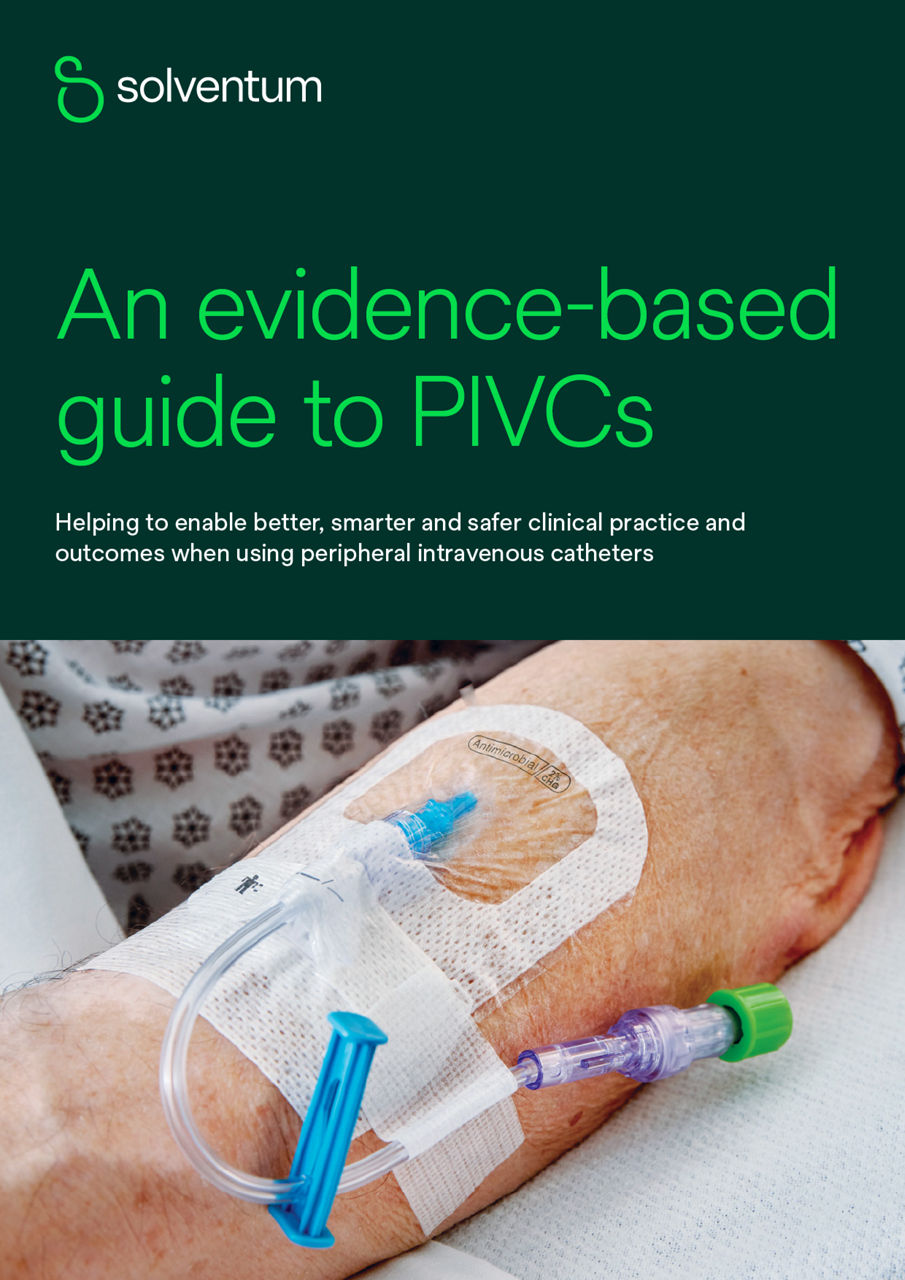
抗菌保護與導管固定
皮膚上的微生物通過導管端口進入血流或通過內部導管腔的遷移(腔內污染);這兩種都是導管相關血流感染的重要途徑。12
確保您的病人免受血流感染的侵害。從我們的抗菌解決方案範圍中選擇,以防禦外腔和腔內血流感染。


每一行,每次都要保護
正確的 解決方案 是 整體 感染預防計畫 不可或缺的一部分。 這就是為什麼 我們設計了 經過驗證的 產品來幫助 保護 每種導管類型和每個訪問點在治療過程的每一步。
從我們的 抗微生物 Tegaderm敷料和Curos消毒保護器家族中選擇,以幫助 降低所有IV訪問點併發症的風險。


如何使用靜脈注射點管理方案
我們 承諾 致力於提供 持續 訓練 和 支援,幫助 你 提升 臨床 成果。 這就是 為何 我們提供 資源,幫助 你 學習 如何 使用我們的血管 存取 產品, 包括 Curos消毒 蓋 和 Tegaderm IV敷料。
資源
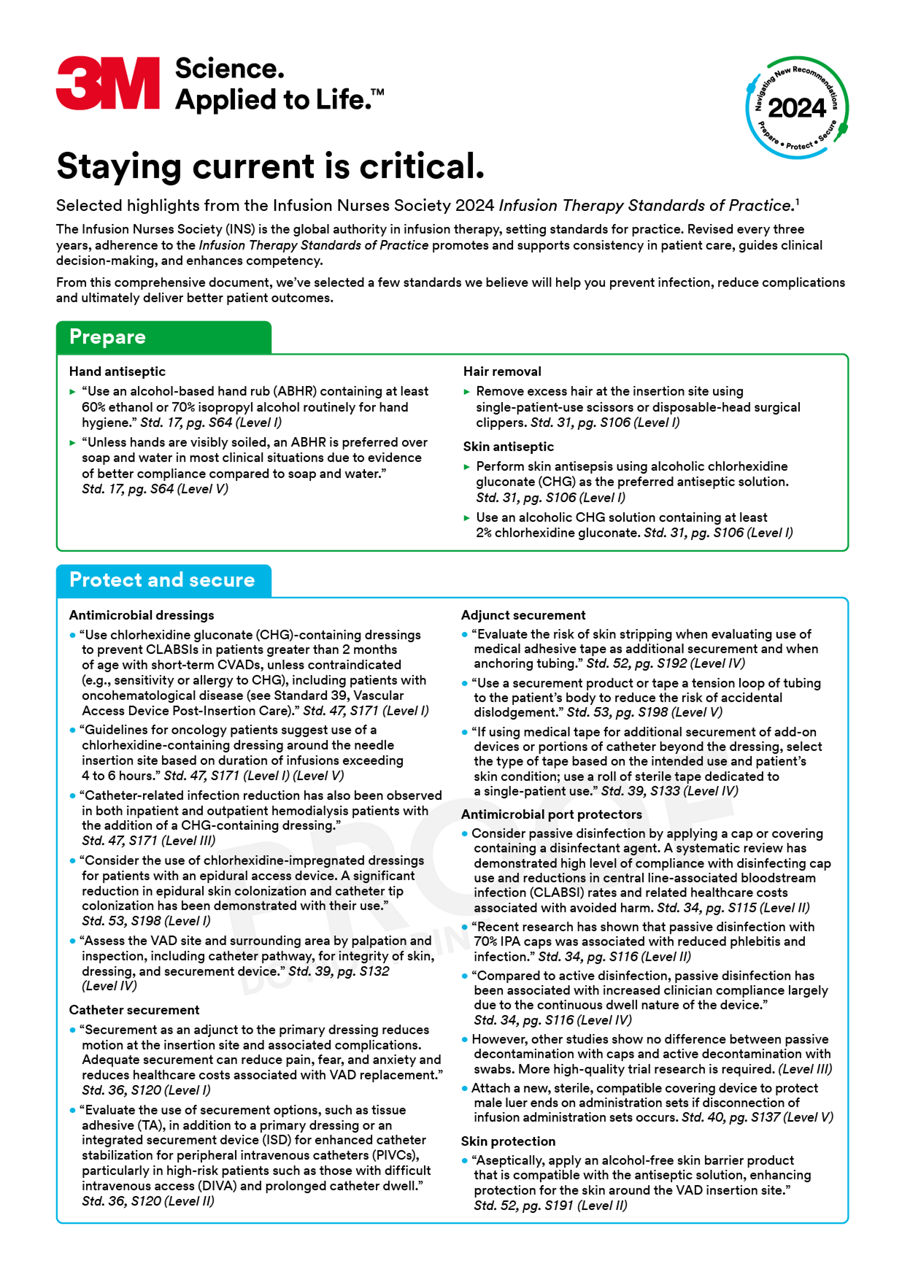
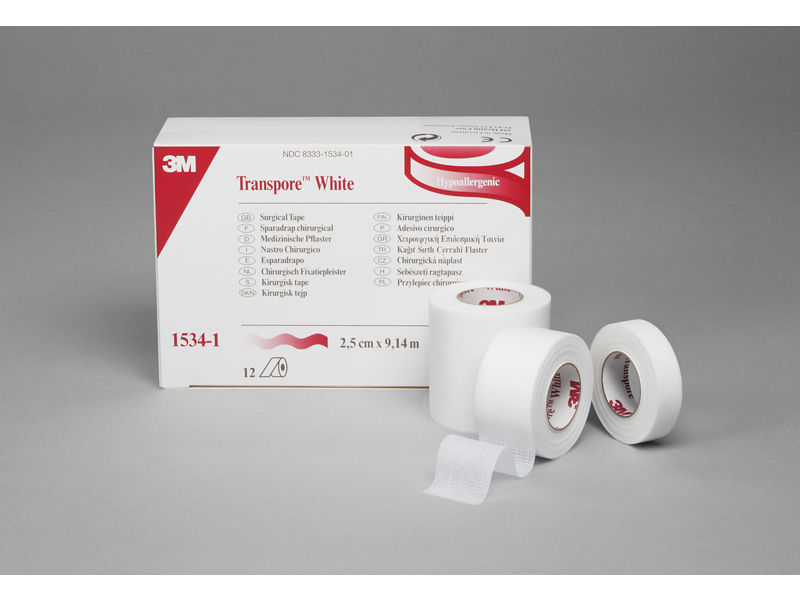
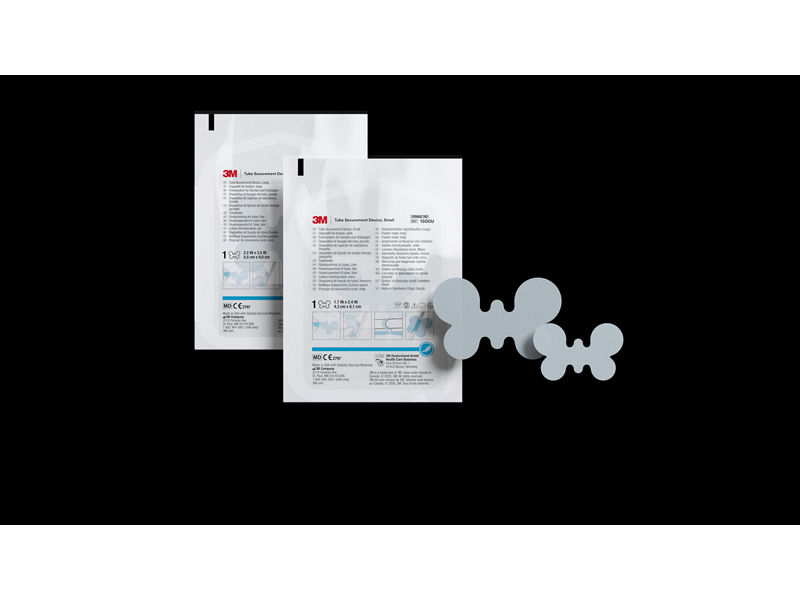
提供額外的解決方案來幫助準備、保護和維護病患

參考資料:
- Maki D, Mermel L: Infections due to infusion therapy. In Hospital Infections, edn 4.Edited by Bennett JV, Brachman PS. Philadelphia: Lippincott-Raven; 1998:689–724..
- CDC Vital Signs: Making health care safer: Reducing bloodstream infections. Centers for Disease Control and Prevention website. https://www.cdc.gov/vitalsigns/pdf/2011-03-vitalsigns.pdfopens in a new tab (PDF, 2.75 MB) Published March, 2011. Accessed June 18, 2017.
- Blot SI, Depuydt P, Annemans L, Benoit D, Hoste E, De Waele JJ, Decruyenaere J, Vogelaers D, Colardyn F, Vandewoude KH. Clinical and economic outcomes in critically ill patients with nosocomial catheter-related bloodstream infections. Clin Infect Dis. 2005 Dec 1;41(11):1591-1598.
- Zimlichman E, Henderson D, et al. Health Care–Associated Infections: A Meta-analysis of Costs and Financial Impact on the US Health Care System. JAMA Intern Med. 2013 Dec 9-23;173(22):2039-2046. doi: 10.1001/ jamainternmed.2013.9763.
- Scheithauer S, Lewalter K, Schröder J, et al. Reduction of central venous line-associated bloodstream infection rates by using a chlorhexidine-containing dressing. Infection. 2014;42(1):155-9.
- Center for Disease Control (2005). Vital Signs: Making Health Care Safer. Accessed 7/29/2019 https://www.cdc.gov/vitalsigns/pdf/2011-03-vitalsigns.pdfopens in a new tab (PDF, 2.75 MB).
- Zimlichman E, Henderson D, Tamir O, et al. Health care-associated infections: A meta-analysis of costs and financial impact on the US health care system. JAMA Intern Med. 2013;173(22):2039-2046.
- Helm RE, Klausner JD, Klemperer JD, Flint LM, Huang E. Accepted but unacceptable: Peripheral IV catheter failure. J Infus Nurs. 2015;38(3):189-203. doi:10.1097/NAN.0000000000000100.
- Mermel L. Short-term peripheral venous catheter-related bloodstream infections: A systematic review. Clin Infect Dis. 2017;65(10):1757-1762. doi:10.1093/cid/cix562.
- Saliba P, Hornero A, Cuervo G, et al. Mortality risk factors among non-ICU patients with nosocomial vascular catheter-related bloodstream infections: A prospective cohort study. J Hosp Infect. 2018;99(1):48-54. doi:10.1016/j.jhin.2017.11.002.
- Buetti N, Abbas M, Pittet D, et al. Comparison of routine replacement with clinically indicated replacement of peripheral intravenous catheters. JAMA Intern Med. 2021;181(11):1471-1478. doi:10.1001/jamainternmed.2021.5345.
- Mermel L.A. 2011. What Is The Predominant Source of Intravascular Catheter Infections?ClinicalInfectious Diseases 52(2):211–212;DOI: 10.1093/cid/ciq108.
- 3M Data on File. EM -05 -014960.