3M Promogran Prisma Matriz de Colágeno com ORC e Prata

Pilares do tratamento eficaz de feridas de difícil cicatrização

É fundamental criar as condições corretas para a cicatrização, especialmente no caso das feridas estagnadas. O tratamento da inflamação e da carga biológica é um passo importante. Embora o colágeno seja eficaz contra as metaloproteinases (MMPs), o seu impacto na elastase, outra protease abundante, é limitado. Estudos in vitro mostram que a combinação da celulose regenerada oxidada (ORC) com o colágeno tem um efeito maior do que o colágeno isolado na ação de reduzir a atividade da MMP e da elastase, ambos indicadores altamente preditivos de feridas que não cicatrizam3-4.
A elastase desempenha um papel fundamental, uma vez que é uma das proteases mais prevalecentes nas feridas de difícil cicatrização. Surge logo após a lesão e pode danificar elementos cruciais, incluindo5-7:
- Fibronectina: que ajuda na adesão e migração das células
- Elastina: que proporciona elasticidade aos tecidos
- Fatores de crescimento: PDGF e EGF
3M Promogran Prisma Matriz de Equilíbrio para Feridas: Resultados Comprovados
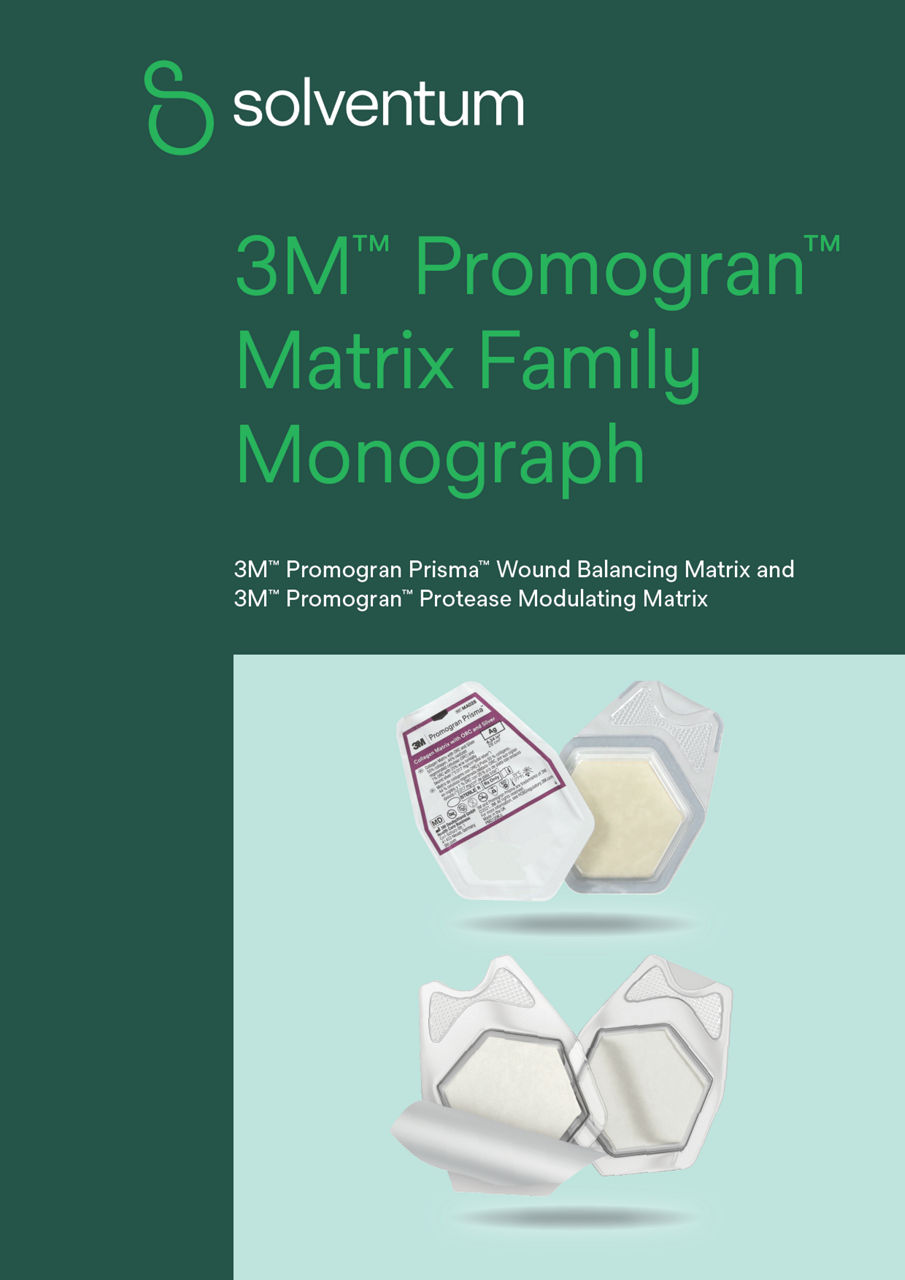
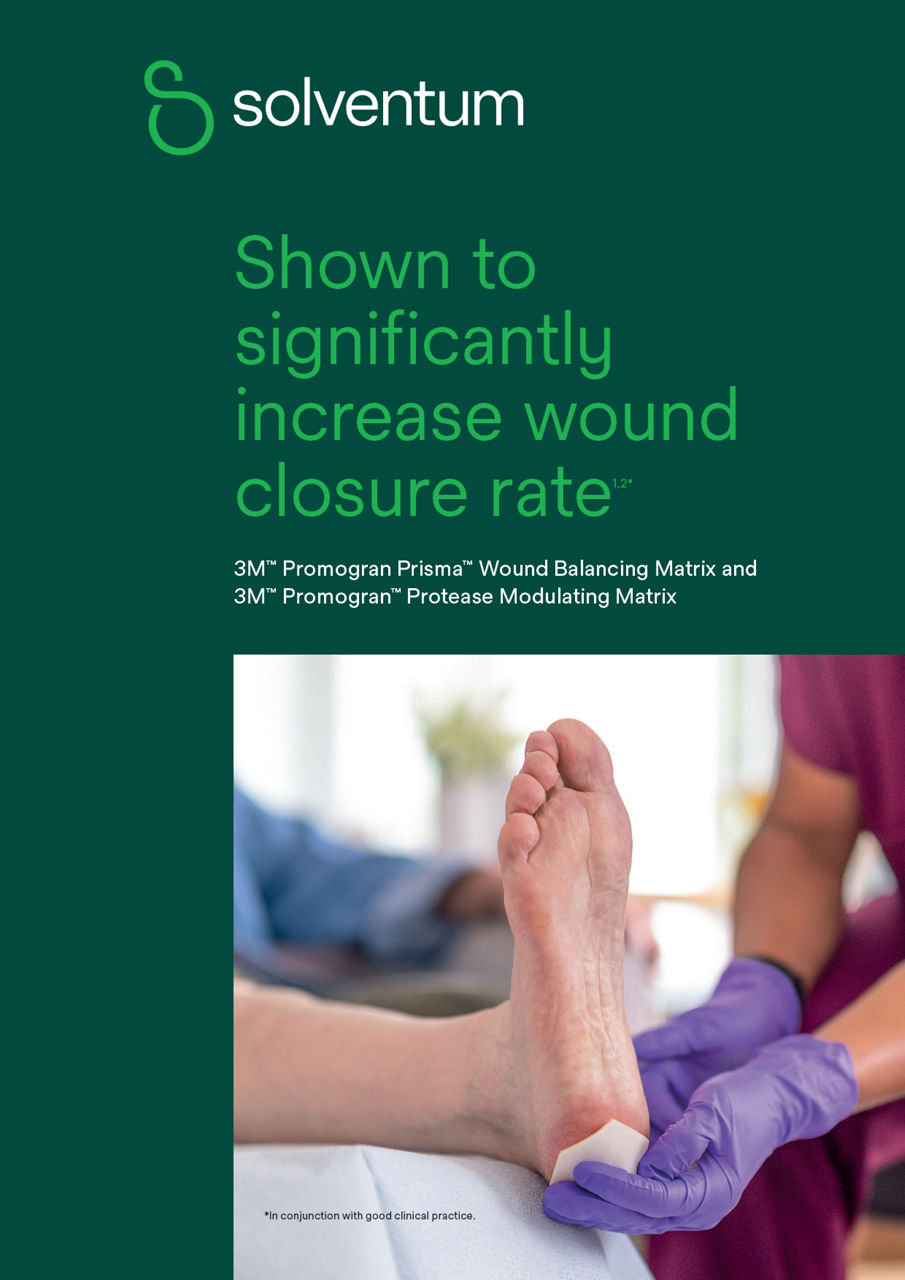
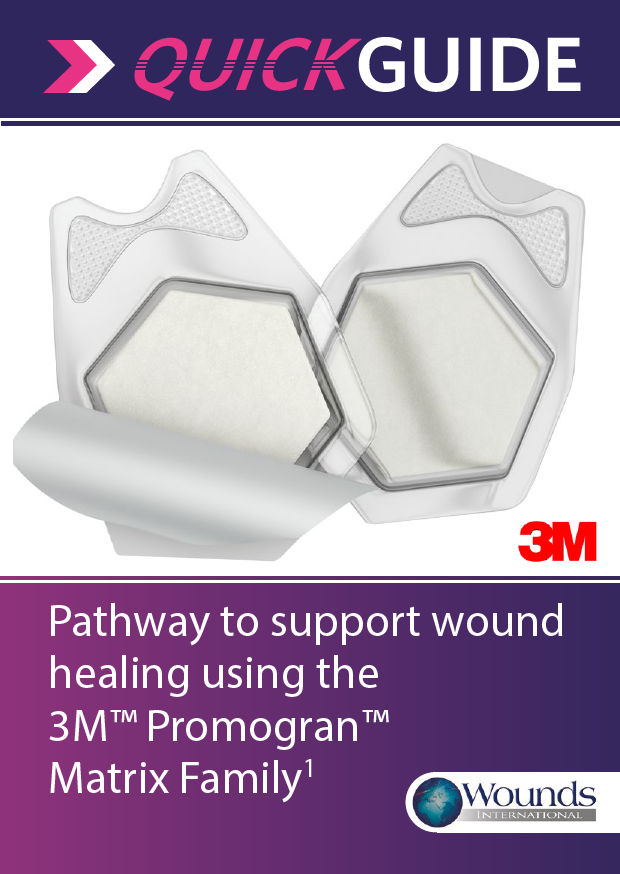
Focar na recuperação efetiva dos pacientes é a nossa missão, e destacamos a Matriz Promogran Prisma como um produto superior, que ajuda pacientes com feridas estagnadas a voltarem à sua rotina.
- 1,74x mais chances de alcançar a cicatrização completa2
- Eficácia comprovada em estudos clínicos e Ensaios Clínicos Randomizados (ECR)1-2
- Melhora as taxas de sucesso geral quando aplicado precocemente8-11
- Potencial para reduzir os custos do tratamento12
Recursos Educacionais

Saiba mais
Referências
- Chowdhry S.A, et al. Use of oxidised regenerated cellulose/collagen dressings versus standard of care over multiple wound types:a systematic review and meta-analysis. Int Wound J. 2021.
- Chen Y, Du P, Lv G. A meta-analysis examined the effect of oxidised regenerated cellulose/collagen dressing on the management of chronic skin wounds. Int Wound J. 2023;20(5):1544-1551. doi:10.1111/iwj.14009CHENET AL.1551
- Cullen B, Watt P, Lundqvist C, et al. The role of oxidized regenerated cellulose/collagen in chronic wound repair and its potential mechanism of action. Int J Biochem Cell Biol. 2002; 34(12):1544–1556.
- Serena T, Cullen T, Bayliff S, et al. Defining a new diagnostic assessment parameter for wound care: Elevated protease activity, an indicator of non-healing for targeted treatment. Wound Repair Regen. 2016;24(3):589-595.
- Gibson D, Cullen B, Legerstee R, Harding KG, Schultz G. MMPs made easy. Wounds International. 2009;1(1)1-6.
- Weitz JI, Landmann SL, Crowley KA, Birken S, Morgan FJ. Development of an assay for in vivo human neutrophil elastase activity. Increased elastase activity in patients with alpha 1-proteinase inhibitor deficiency. J Clin Invest. 1986; 78:155-162. doi:10.1172/JCI112545. Cited by: Ferreira AV, Perelshtein I, Perkas N, Gedanken A, Cunha J, Cavaco-Paulo A. Detection of human neutrophil elastase (HNE) on wound dressings as marker of inflammation. Appl Microbiol Biot1echnol. 2017; 101:1443-1454.
- Hasmann A, Gewessler U, Hulla E, et al. Sensor materials for the detection of human neutrophil elastase and cathepsin G activity in wound fluid. Exp Dermatol. 2011; 20(6):508-513. doi: 10.1111/j.1600-0625.2011.01256.x. Cited by: Ferreira AV, Perelshtein I, Perkas N, Gedanken A, Cunha J, Cavaco-Paulo A. Detection of human neutrophil elastase (HNE) on wound dressings as marker of inflammation. Appl Microbiol Biotechnol. 2017; 101:1443-1454.
- Cullen B, et al. Early adoption of collagen/ORC therapies improves clinical outcome. Paper presented at: Wounds UK Harrogate, 2011.
- Gottrup F, Cullen B, Karlsmark T, Bischoff-Mikkelsen M, Nisbet L, Gibson M. Randomized controlled trial on collagen/oxidized regenerated cellulose/silver treatment. Wound Repair & Regeneration. 2013; 21:1-10.
- Veves A, Sheehan P, Pham HT. A randomised controlled trial of Promogran (a collagen/ oxidized regenerated cellulose dressing) vs standard treatment in the management of diabetic foot ulcers. Arch Surg. 2002; 137(7):822-827.
- Vin, F., Teot, L. and Meaume, S. (2002) The healing properties of Promogran in venous leg ulcers. J Wound Care, 11, 335-341.
- Snyder, R. et al. A Retrospective Study of Sequential Therapy with Advanced Wound Care Products versus Saline Gauze Dressings: Comparing Healing and Cost. Ostomy Wound Management. 2010; 56(11A):9–15.
- Bourdillon KA, Delury C, Cullen B. Biofilms and delayed healing – an in vitro evaluation of silver and iodine containing dressings and their effect on bacterial and human cells. International Wound Journal. 2017. ISSN 1742-4801.