
"Olemme havainneet, että vierailet sivustolla sijainnistasi {0}. Haluatko vaihtaa kieltä saadaksesi kohdennettua sisältöä?"

Diagnostic cover sheet solutions for medical OEMs

Diagnostic cover sheets are engineered protective layers that shield sensitive assay components, including microfluidic channels handling biologic fluids, from contamination. They ensure high optical clarity and chemical resistance, preserving signal integrity while providing a secure barrier for point‑of‑care and lab‑based diagnostics.

PNG image of a representitive microfluidic injection molded disc in iso view with exploded assembly layers

Overview

What is a diagnostic cover sheet?

Cover sheets protect internal components such as sensors, electrodes and microfluidic channels from environmental exposure and contamination.

They also support:

  • Barrier protection against dust, moisture, and biological materials
  • Isolation of sensitive zones from external interference
  • Preservation of signal integrity for optical and electrical diagnostics

Cover sheets are used across point-of-care platforms, lab-based systems and integrated biosensors.
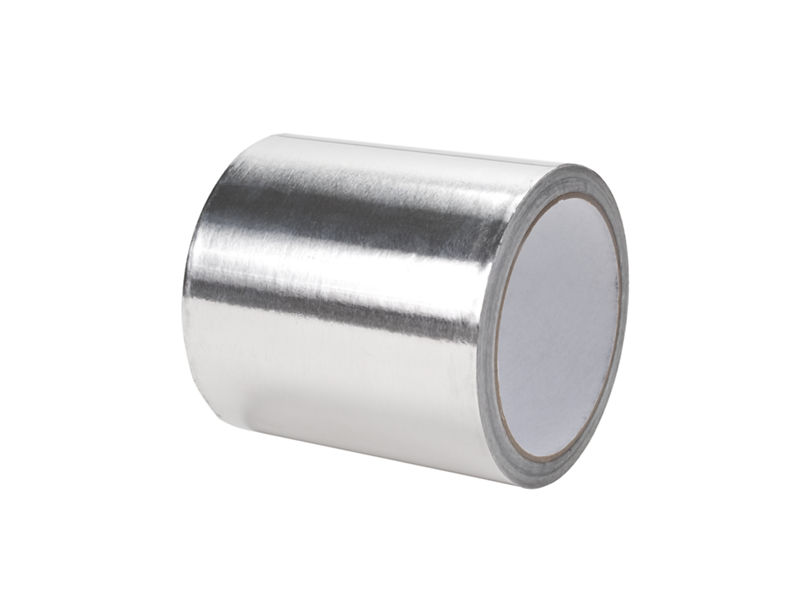
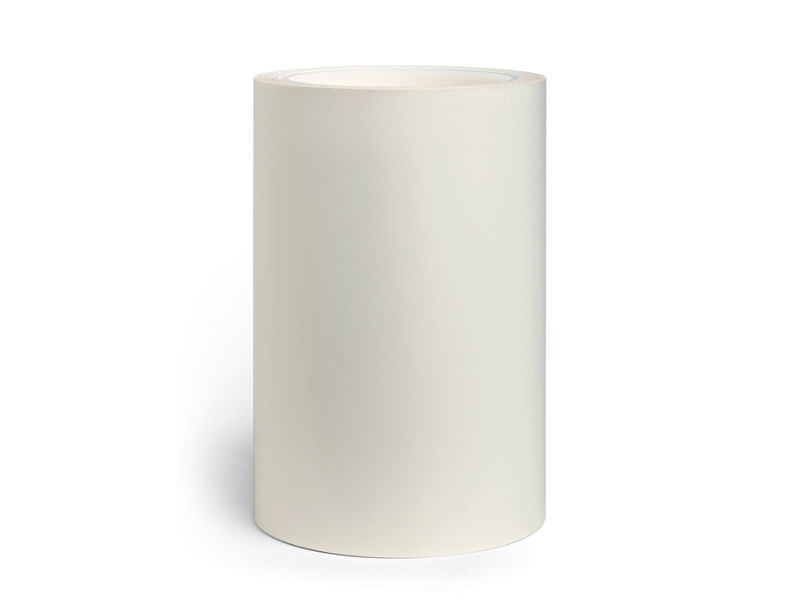
Adhesive technologies for cover sheets

Adhesives ensure secure attachment of the cover sheet to the diagnostic substrate while supporting functional performance.

Key adhesive requirements:

  • Bond strength for long-term adhesion or controlled removability
  • Biocompatibility for safe contact with biological samples
  • Chemical resistance to reagents and bodily fluids

Common materials:

  • Polyester (PET) for high clarity, chemical resistance and dimensional stability
  • Polycarbonate (PC) for impact resistance and thermal performance
  • Polyethylene (PE) for flexibility and cost-effectiveness

Solventum provides adhesive testing and selection support to help ensure optimal performance in your device’s operating environment.

Design considerations for OEM engineers

Designing cover sheets involves balancing protection, usability and manufacturability.

Engineering priorities:

  • Thickness and tolerance: Affect optical clarity, fluid storage/maintenance and integration
  • Custom die-cutting: Enables fit to complex geometries and functional zones
  • Clean removal for streamlined rework and minimal residue
  • Multi-substrate bonding for versatility across diverse material stacks
Partnering for performance

Solventum supports OEMs with high-performance materials engineered for diagnostic cover sheet applications. Our portfolio includes films and adhesives designed for clarity, chemical resistance and flexibility.

Our support includes:

  • Guidance on material and adhesive selection
  • Adhesive performance testing for bonding applications
  • Optical testing for compatibility with light based assays
  • Rapid sampling for prototyping and evaluation
  • We provide documentation to assist with your regulatory compliance

Whether you're designing for optical access, fluidic sealing or environmental protection, we help you choose the right materials to meet your device’s performance and manufacturing goals

Our differentiators

Assay‑safe sealing for sensitive diagnostics 

Solventum sealing tapes are formulated to be chemically inert and biocompatible, preventing leachables that can inhibit enzymes or alter pH. For optical assays, materials are engineered for ultra‑low auto‑fluorescence and high optical clarity—helping preserve signal integrity in fluorescence—and luminescence‑based plate readers. Non‑hemolytic options are also available for blood‑contact applications. 

Engineered performance for PCR and automated workflows 

Select adhesives are designed to maintain a hermetic seal through extreme thermal cycling—up to 98°C—reducing the risk of well‑to‑well cross‑contamination during PCR. Clean‑pierce constructions support reliable probe access without clogging aspiration tips, helping minimize maintenance and downtime in high‑throughput labs. 

Manufacturing precision, quality and lifecycle stability 

Through our Premier Converter Network, sealing tapes are produced with tight tolerances to align precisely with standard well plate formats, reducing issues such as adhesive overhang and robotic handling failures. Manufactured under medical‑device quality systems, Solventum materials come with robust regulatory documentation and healthcare‑focused supply chain stability—supporting consistent performance across the full lifecycle of diagnostic platforms. 

FAQs

Read our comprehensive FAQ to quickly find clear answers to common cover sheet questions.

Cover sheets can influence performance by: 

  • Affecting channel sealing and enclosure. 
  • Introducing stiffness that alters layer interaction. 
  • Impacting optical readout when clarity is required. 

Poor alignment or sealing may lead to: 

  • Fluid leakage or evaporation. 
  • Inconsistent test results. 
  • Reduced device durability during handling. 

Cover sheet stiffness can affect devices by: 

  • Restricting flexibility in handheld or portable tests. 
  • Transferring stress to bonded or fluidic layers. 
  • Changing how pressure is distributed during use. 

Contamination risk can be reduced by: 

  • Ensuring continuous, well‑sealed edges. 
  • Selecting materials compatible with test fluids. 
  • Minimizing exposed interfaces during handling. 

Evaluation should include: 

  • Verification of sealing and alignment. 
  • Assessment of interaction with bonded and fluid flow layers. 
  • Testing under expected handling and use conditions. 

Contact a Solventum representative


Solventum will use the information to respond to your request in accordance with our Privacy Policy

There was a submission issue, please try again later.

Tools & resources