"Olemme havainneet, että vierailet sivustolla sijainnistasi {0}. Haluatko vaihtaa kieltä saadaksesi kohdennettua sisältöä?"

Bonding layer solutions for medical OEMs

The bonding layer forms the foundation of a diagnostic device, assembling fluidic channels, reagent pads and other critical structural elements.. These medical-grade adhesives provide mechanical stability and precise alignment across multiple layers, ensuring device integrity and preventing cross-contamination during manufacturing and use.

Rendering exploded view of a microfluidic diagnostic device showing the layers with adhesive highlighted with a light blue tint.

Overview

What is a bonding layer?

Bonding layers join key components such as fluidic channels, reagent pads and other structural elements.

They play a vital role in:

  • Maintaining alignment and geometry of fluidic pathways
  • Supporting durability during handling and use
  • Preserving the performance of sensitive diagnostic elements

Bonding layers are essential in multi-layer formats like lateral flow assays, microfluidic cartridges and integrated biosensors.
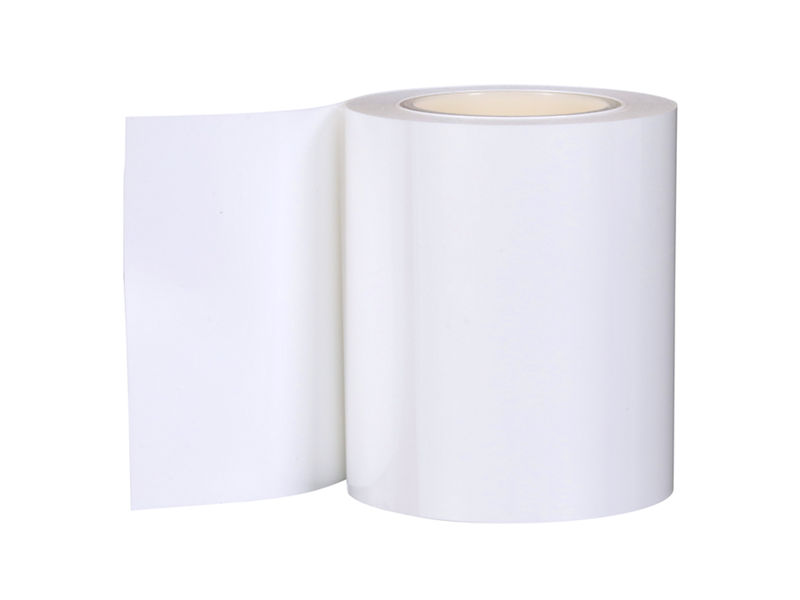
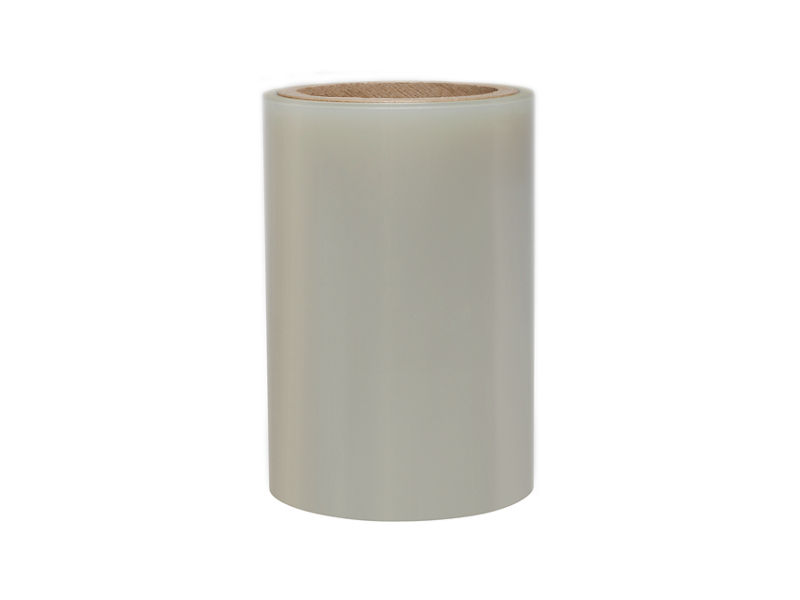
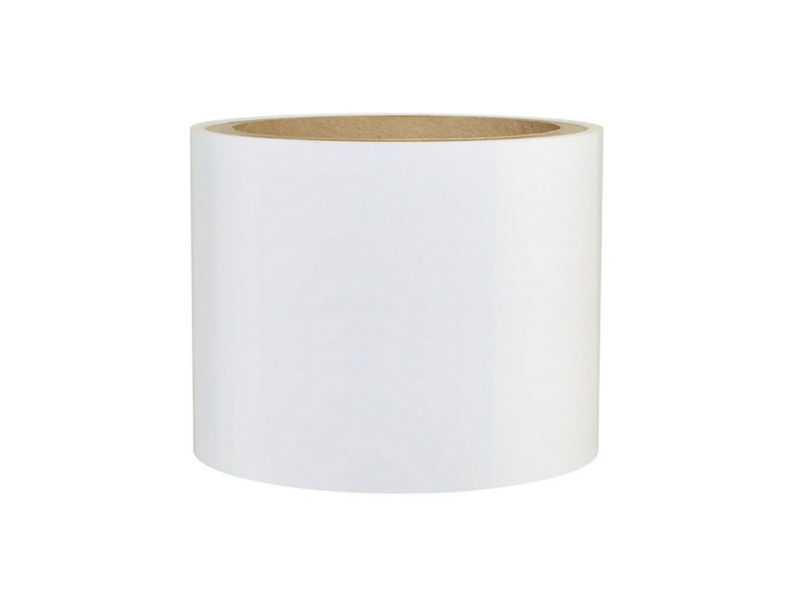
Adhesives technoglogies for bonding layers

Adhesives used in bonding layers must deliver consistent performance across a range of materials and operating conditions. Their selection directly impacts device reliability, manufacturability and regulatory compliance.

Key adhesive requirements:

  • Strong, uniform bonding across substrates
  • Chemical resistance to reagents and biological fluids
  • Biocompatibility for safe use in diagnostic environments
  • Minimal outgassing or interference with sensitive components

Common materials:

  • Polyester (PET) for dimensional stability and chemical resistance
  • Polycarbonate (PC) for strength and thermal performance
  • Polyethylene (PE) for flexibility and cost-efficiency
  • Adhesive-coated films tailored for diagnostic bonding applications

We offer medical adhesives, materials and support to help ensure bonding layers meet the demands of your device architecture. This includes support from design and prototyping through scale-up to full production.

Design considerations for OEM engineers

Bonding layers must be engineered for both functional performance and scalable manufacturing.

Key factors include:

  • Bond strength and uniformity to maintain layer alignment and prevent delamination
  • Reagent compatibility to avoid interference with assay chemistry or sample integrity
  • Thermal stability for devices exposed to temperature cycles during operation
  • Assembly tolerances that ensure consistent bonding without obstructing fluidic or sensor zones
  • Scalability of materials and processes to support high-volume production
  • Adhesive placement that aligns with functional zones and avoids sensitive areas
  • Die-cutting and lamination techniques that support clean, reproducible assembly
Partnering for performance

We provide OEMs with high-performance materials designed to support bonding layer applications in diagnostic devices. Our portfolio includes adhesive-coated films and bonding substrates engineered for precision, durability and compliance.

Our support includes:

  • Guidance on material and adhesive selection
  • Adhesive performance testing for bonding applications
  • Optical testing for compatibility with light-based assays
  • Rapid sampling for prototyping and evaluation
  • We provide documentation to assist with your regulatory compliance

Whether you are building multi-layer cartridges or integrating microfluidic components, we help you select the right materials to ensure reliable bonding and scalable manufacturing.

Our differentiators

Science‑backed adhesives for diagnostic performance 

Solventum brings decades of medical adhesive innovation to IVD applications, with assay‑friendly, biocompatible materials engineered for sensitive biological environments. Many solutions are designed to withstand PCR and other harsh diagnostic conditions—supporting reliable results where precision matters. 

Design and manufacturing expertise from concept to scale 

Our teams collaborate from early concept through scale‑up, supporting material selection, prototyping and process integration. With deep device fabrication knowledge and early involvement of Premier Converters, we help optimize die‑cutting, lamination and automated assembly to reduce risk and improve manufacturability. 

Quality, reliability and global scalability 

IVD adhesives are manufactured under strict medical‑device quality systems with lot traceability, consistent global supply and robust documentation to support regulatory needs. Our solution‑oriented approach ensures material consistency from R&D through high‑volume production—enabling faster innovation with greater confidence. 

FAQs

Read our comprehensive FAQ to quickly find clear answers to common bonding layer questions.

Several bonding characteristics determine how well an adhesive performs in diagnostic applications, especially under stress or over time.  

  • Peel strength: Measures how well the adhesive resists separation from surfaces—important for maintaining bond integrity during handling or testing.  
  • Tack: Indicates initial stickiness, which helps with fast and accurate placement during assembly.  
  • Shear resistance: Ensures the adhesive can withstand lateral forces without shifting or failing.  
  • Long-term stability: Critical for maintaining performance over time, especially in devices with extended shelf life or prolonged use.  
  • Cohesive strength: Ability of the adhesive to remain intact (not split), minimizing residue transfer to bonded surfaces. 
  • Fluid/chemical resistance: Ability to resist swelling, softening, or leaching when exposed to samples, buffers, and assay reagents. 

These properties help ensure reliable bonding under various conditions in diagnostic applications.  

Surface energy is a measure of how readily a solid surface can be wetted by a liquid (and, by extension, how easily an adhesive can spread to make intimate contact). High surface energy materials (e.g., metals or glass) typically wet and bond more readily, while low surface energy (LSE) plastics (e.g., polyethylene, polypropylene) are harder to wet and therefore harder to bond without surface treatment or specialized adhesives. 

In microfluidic devices, surface energy (often discussed via water contact angle) helps predict how liquids will interact with channel walls and can influence capillary‑driven flow behavior. 

Measurement methods: 

  • Contact angle: A droplet’s angle on the surface—lower angles indicate higher surface energy.  
  • Dyne pens or solutions: Apply liquids of known surface tension; if the liquid wets out, it indicates the surface energy is at/above that dyne level. 

Bond failure or leakage may result from: 

  • Inconsistent adhesive thickness affecting channel sealing. 
  • Poor alignment between bonded layers. 
  • Incompatible surface energies between substrates. 
  • Mechanical stress during handling or testing. 

Bonding materials can influence assay results by: 

  • Altering channel dimensions or spacing. 
  • Introducing variability if registration shifts. 
  • Allowing leaks or air intrusion that disrupt fluid movement. 

Trade‑offs may include: 

  • Higher bond strength increasing the risk of channel deformation. 
  • Softer materials improving conformity but reducing structural support. 
  • Thicker adhesives improving sealing while affecting channel geometry. 

Manufacturing tolerances can impact bonding by: 

  • Causing variation in bond line thickness. 
  • Affecting repeatability across devices. 
  • Increasing the risk of misalignment in multilayer builds. 

Bonding performance should be validated: 

  • Before finalizing channel and layer geometry. 
  • Prior to scaling manufacturing processes. 
  • Whenever materials or substrates change. 

Contact a Solventum representative


Solventum will use the information to respond to your request in accordance with our Privacy Policy

There was a submission issue, please try again later.

Tools & resources