Zum Hauptinhalt wechseln

"Wir haben festgestellt, dass Sie unsere Seite aus {0} aufrufen. Möchten Sie die Sprache wechseln, um angepasste Inhalte zu erhalten?"

Device assembly layer solutions for medical OEMs

Biocompatible adhesives used in the device assembly layer form the structural backbone of medical wearables. These adhesives securely bond sensor layers to each other or to the skin-contact layer, ensuring precise alignment, mechanical stability and manufacturability throughout the device lifecycle.

Exploded view of a wearable device showing the assembly of the stacked flexible sensor layers, circuitry, and a top controller with buttons.

Overview

What is the device assembly layer?

This layer serves as the foundation that bonds together the functional elements of a wearable device.

Key functions:

  • Structural support for multi-layered architecture
  • Secure bond between the skin patch and device
  • Compatibility with automated assembly and lamination
  • Mechanical integrity during wear and use
  • Biocompatibility to reduce the risk of irritation

This foundational layer plays a critical role in ensuring device reliability, user comfort and scalable production for high-performance medical wearables.
Adhesive technologies for skin contact layers

Adhesives used in this layer must deliver strong, consistent bonding across diverse substrates while supporting scalable production.

Key performance criteria:

  • Uniform Adhesion: Maintain layer alignment
  • Component Compatibility: Suitable for both flexible and rigid components
  • Sterilization Compatibility: Maintain performance post-sterilization
  • Processability: Easy to process in automated lamination and die-cutting

Common materials:

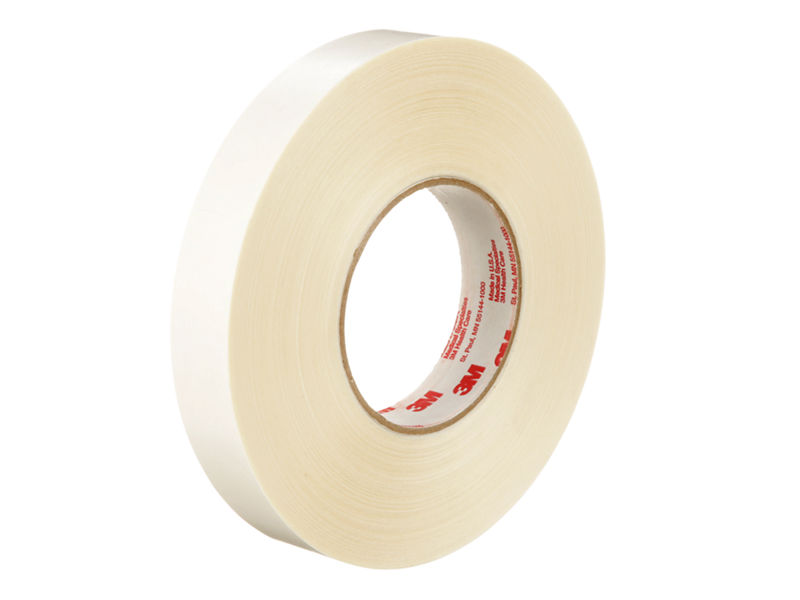
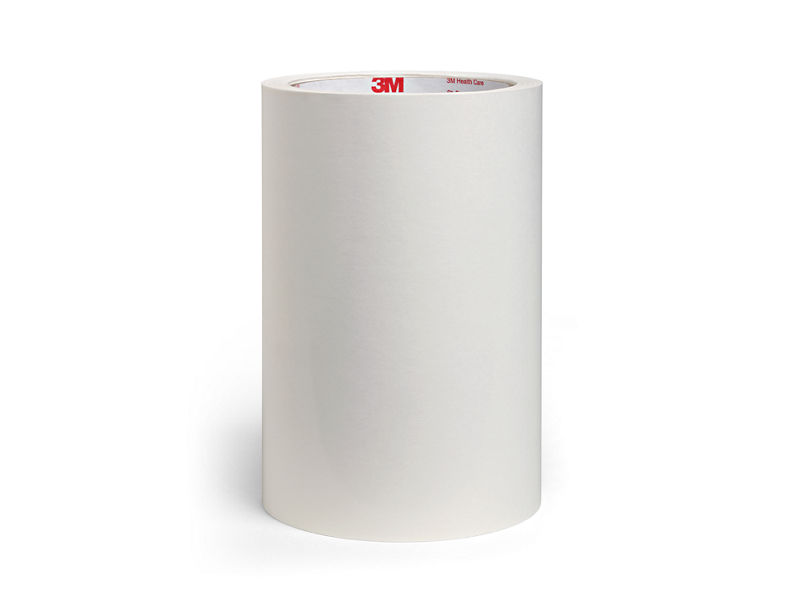
  • Double-coated tape – adhesive on both sides with stabilizing film
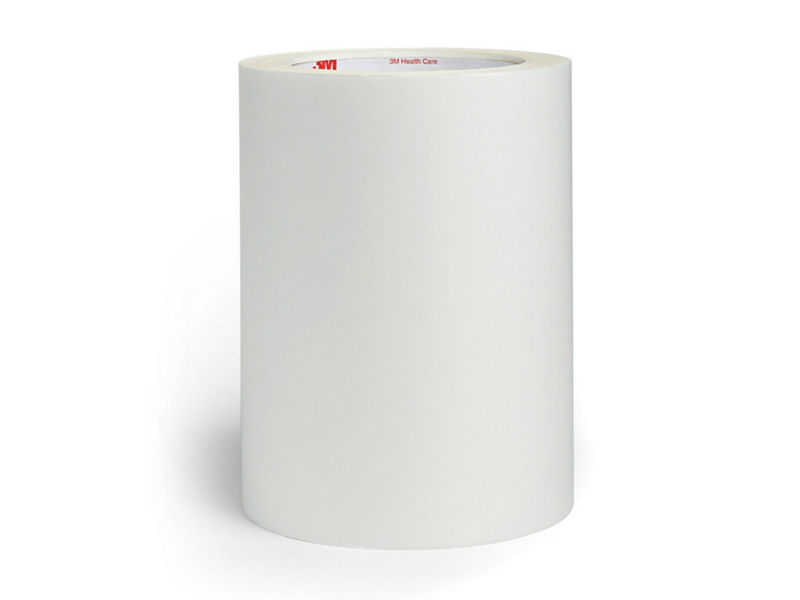
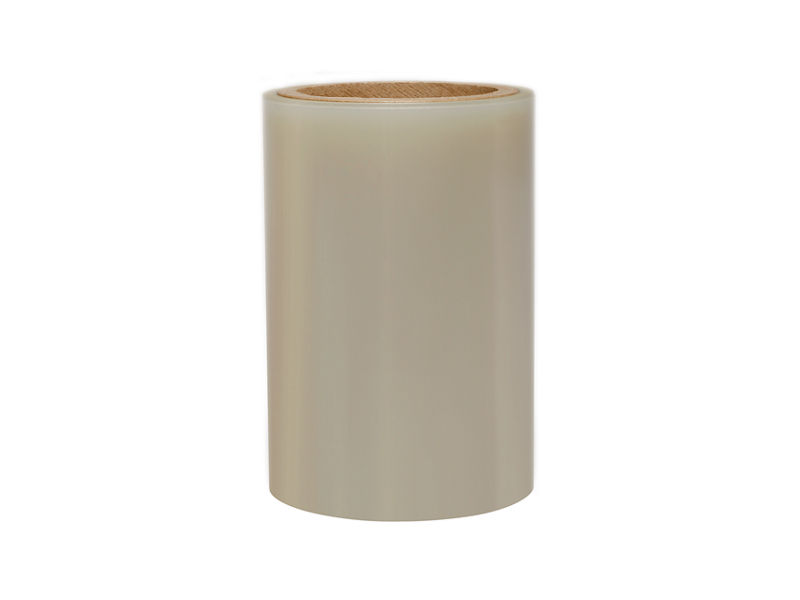
  • Transfer adhesives – adhesive with no support layer
  • Adhesive variants – stabilizing, stretchable, or rigid depending on device architecture

Solventum provides adhesive materials and design support to help engineers meet the demands of device design and manufacturing workflows.

Design considerations for OEM engineers

Designing the assembly layer requires attention to integration, performance and scalability.

Engineering priorities:

  • Layer Alignment: Critical for sensor accuracy and device function
  • Adhesive Placement: Must avoid obstructing functional zones
  • Thermal Stability: Ensure performance under body heat and sterilization
  • Assembly Tolerances: Support consistent device behavior
  • Scalability: Materials and processes must support high-volume production
  • Material Compatibility: Important for other device layers or user contact
  • Biocompatibility: Reduce the risk of irritation
Partnering for performance

Solventum supports OEMs with high-performance materials engineered for assembly layer applications. Our portfolio includes adhesives designed for structural bonding, process efficiency and regulatory compliance.

Our support includes:

  • Expert guidance on material and adhesive selection
  • Collaborative design support
  • Rapid sampling for prototyping and evaluation
  • We provide documentation to assist with your regulatory compliance

Whether you're building flexible wearables, sensor-integrated patches or multi-layer therapeutic devices, we help you select the right materials for reliable assembly and scalable production.

Our differentiators

Biocompatible materials for medical device use

Materials are biocompatible to support device safety and regulatory expectations.

Deep experience across substrates and material compatibility

Extensive experience working with a wide range of substrates supports informed material selection and reliable integration across device architectures.

Engineering reliable multilayer construction

Assembly materials enable secure multilayer builds while supporting thin, flexible device profiles, precise component placement and consistent structural integrity.

Products

Explore our portfolio of medical adhesive and tape technologies that support the creation of reliable, flexible, and skin-friendly wearable medical devices.

FAQs

Read our comprehensive FAQ to quickly find clear answers to common device assembly layer questions.

Common failures include: 

  • Adhesive failure due to poor surface compatibility. 
  • Cohesive failure within the adhesive layer. 
  • Delamination caused by stress, movement, or environmental exposure. 

Over time, creep or delamination can: 

  • Shift component alignment. 
  • Compromise electrical or sensor performance. 
  • Reduce overall device reliability during use. 

Double‑coated tapes are often preferred when: 

  • Clean, controlled bond lines are required. 
  • Fast, repeatable assembly is needed. 
  • Automated converting or lamination is part of the process. 

Tight tolerances and precise alignment may require materials that: 

  • Provide consistent thickness. 
  • Limit flow or squeeze‑out during bonding. 
  • Maintain dimensional stability during processing. 

As designs scale, considerations may include: 

  • Process repeatability and yield. 
  • Compatibility with automated equipment. 
  • Material availability and consistency at volume. 

Contact a Solventum representative


Solventum will use the information to respond to your request in accordance with our Privacy Policy

There was a submission issue, please try again later.

Tools & resources