3M Bair Hugger Rozwiązania do Zarządzania Temperaturą


Nauka o ogrzewaniu: Zarządzanie normotermią od początku do końca
Różnica między pomyślnym wynikiem leczenia a skomplikowanym powrotem do zdrowia może często zależeć od kilku stopni różnicy w temperaturze ciała. Niezamierzona okołooperacyjna hipotermia jest powszechnym, ale możliwym do uniknięcia powikłaniem znieczulenia, znanym z tego, że zwiększa ryzyko zakażenia miejsca operowanego (SSI),6,7 wydłuża czas rekonwalescencji,8 a nawet zwiększa wskaźnik śmiertelności.9 Jednakże, poprzez przestrzeganie protokołu normotermii, który obejmuje czujne monitorowanie temperatury i aktywne metody ogrzewania przed indukcją znieczulenia aż do momentu odzyskania przytomności, hipotermii można zapobiec.
Rozpocznij i zakończ podróż operacyjną swoich pacjentów z naszym 3M Bair Hugger Systemem zarządzania temperaturą
Utrzymując temperaturę ciała w zakresie normotermii, długość pobytu pacjenta może zostać skrócona o 2,6 dnia.11
Jak proaktywnie zarządzać normotermią w trakcie całej operacji:
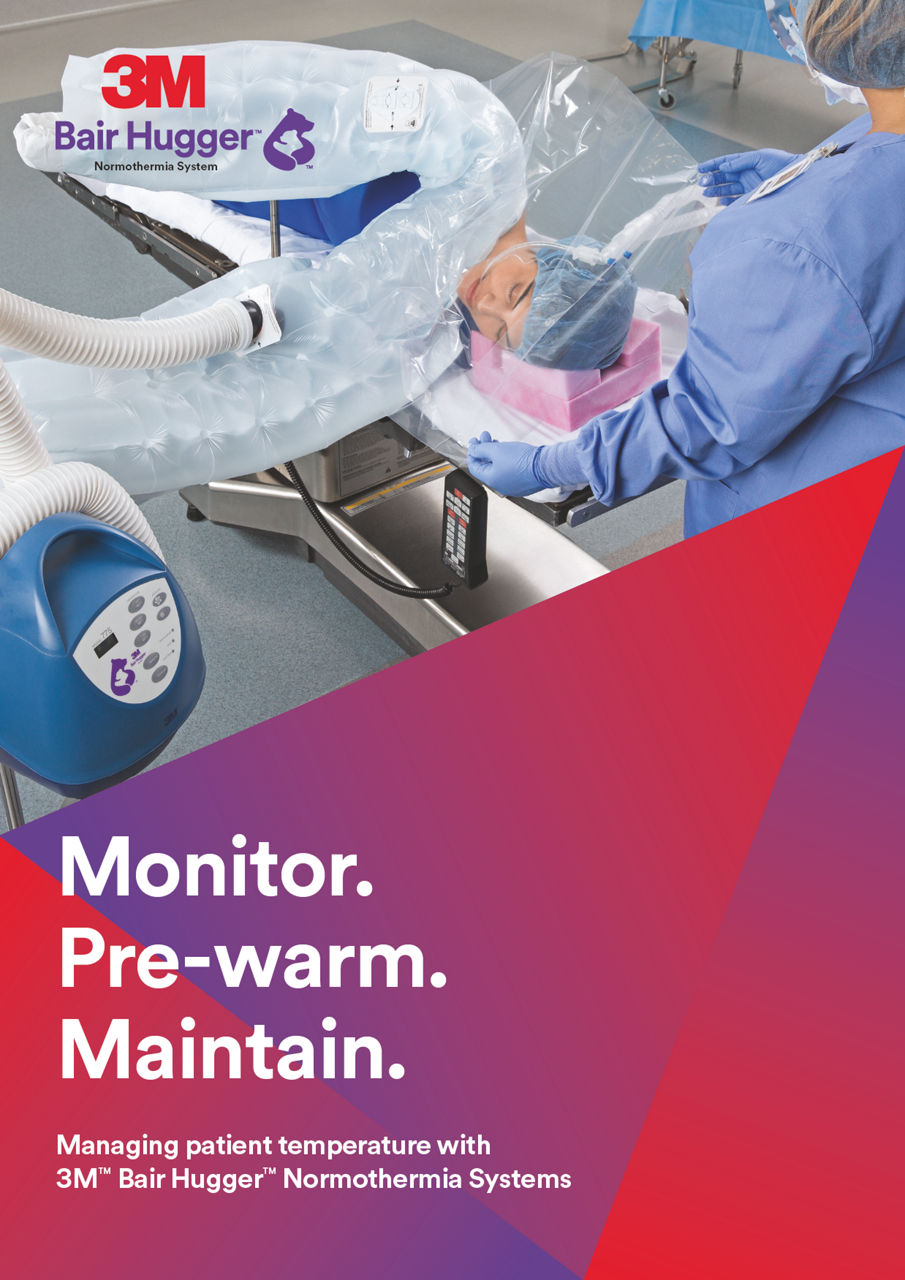
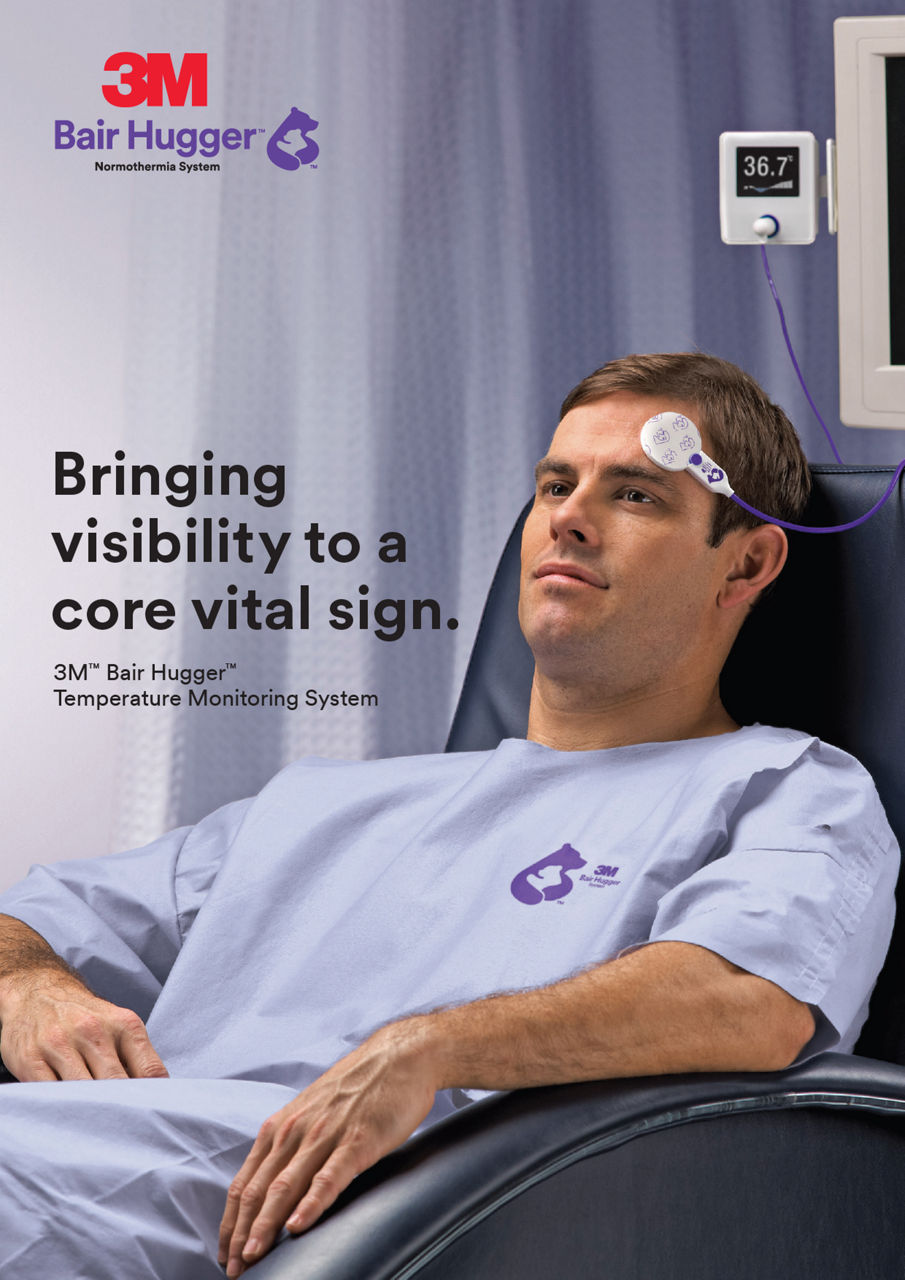
Aktywnie monitoruj temperaturę swoich pacjentów. Podgrzewaj ich za pomocą systemu Ogrzewaj 3Mᵀᴹ Bair Huggerᵀᴹ, aby zapobiec hipotermii.
Okres przedoperacyjny (pre-op)


Ogrzewanie wstępne przed indukcją znieczulenia pomaga utrzymać normotermię i łagodzić skutki redystrybucji ciepła spowodowanej znieczuleniem.
Monitoruj temperaturę centralną ciała swoich pacjentów podczas operacji za pomocą systemu monitorowania temperatury 3Mᵀᴹ Bair Huggerᵀᴹ. Proaktywnie pomagaj osiągnąć i utrzymać normotermię dzięki systemowi ogrzewania 3Mᵀᴹ Bair Huggerᵀᴹ.
Śródoperacyjny (intra-op)


Kontynuuj monitorowanie temperatury swoich pacjentów. Ogrzewaj ich za pomocą naszego 3Mᵀᴹ Bair Huggerᵀᴹ Systemu Ogrzewania, aby pomóc chronić pacjentów przed niezamierzoną okołooperacyjną hipotermią.
Pooperacyjny (po-op)


Utrzymując temperaturę centralną ciała pacjenta w pobliżu 36,5°C (36,6 + lub - 0,5°C), wykazano, że czas pobytu pacjenta został skrócony o 2,6 dnia.21
Rozwiązania do zarządzania temperaturą 3M Bair Hugger


UWAGA: Dla tych produktów i terapii istnieją szczegółowe wskazania, ograniczenia, przeciwwskazania, ostrzeżenia, środki ostrożności oraz informacje dotyczące bezpieczeństwa. Przed zastosowaniem prosimy o konsultację z lekarzem i zapoznanie się z instrukcjami użycia produktu. Tylko na receptę.

Materiały edukacyjne i promocyjne to help utrzymać normotermię
Proces monitorowania temperatury może być przytłaczający. Oferujemy przydatne materiały, które pomogą Ci dowiedzieć się więcej o naszych rozwiązaniach i o tym, jak mogą one pomóc monitorować i utrzymać normalną temperaturę wewnętrzną ciała Twoich pacjentów — normotermię — przez cały okres okołoperacyjny.


Fakty o ogrzewaniu wymuszonym obiegiem powietrza (FAW - Forced-Air Warming)
Bibliografia:
- Kurz A, Sessler DI, Lenhardt R. Perioperative normothermia to reduce the incidence of surgical-wound infection and shorten hospitalization. Study of Wound Infection and Temperature Group. N Engl J Med. 1996;334(19):1209-1215.
- Kurz A, Sessler DI, Lenhardt R. Perioperative normothermia to reduce the incidence of surgical-wound infection and shorten hospitalization. Study of Wound Infection and Temperature Group. N Engl J Med. 1996;334(19):1209-1215.
- Bush HL Jr, Hydo LJ, et al. Hypothermia during elective abdominal aortic aneurysm repair: the high price of avoidable morbidity. J Vasc Surg. 1995;21:392-400; discussion 400-392.
- Lau A, Lowlaavar N, Cooke EM, et al. Effect of preoperative warming on intraoperative hypothermia: a randomized-controlled trial. Can J Anesth. 2018. doi.org/10.1007/s12630-018-1161-8.
- Kurz A, Sessler DI, Lenhardt R. Perioperative normothermia to reduce the incidence of surgical-wound infection and shorten hospitalization. NEJM. 1996 May 9; 334 (19): 1209-16.
- Horn, EP, Bein B, Bohm R, Steinfath M, Sahilin, and Hocker J. The effect of short time periods of pre-operative warming in the prevention of peri-operative hypothermia. Anaesthesia. 2012; 67: 612–617.
- Nelson G, Altman AD, Nick A, et al. Guidelines for pre- and intra-operative care in gynecologic/oncology surgery: Enhanced Recovery After Surgery (ERAS®) Society recommendations — Part I. Gynecologic Oncology. 2015; 2016; 140: 313-322.
- National Institute for Health and Care Excellence. Hypothermia: prevention and management in adults having surgery. Clinical Guideline [CG65]. (2016). https://www.nice.org.uk/guidance/cg65/chapter/Recommendations#perioperative-care. Published April 2008. Updated December 2016. Accessed July 18, 2019.
- Forstot RM. The etiology and management of inadvertent perioperative hypothermia. J Clin Anesth. 1995;7:657-674.
- Leslie K, Sessler DI. Perioperative hypothermia in the high-risk surgical patient. Best Pract Res Clin Anaesthesiol. 2003;17:485-498.
- Mahoney CB, Odom J. Maintaining intra-operative normothermia: a meta-analysis of outcomes with costs. AANA J. 1999;67(2):155-163.
- Schroeck H, Lyden AK, Benedict WL, Ramachandran SK. Time Trends and Predictors of Abnormal Postoperative Body Temperature in Infants Transported to the Intensive Care Unit. Anesthesiology Research and practice. 2016:7318137.
- Hooper VD, Chard R, Clifford T, Fetzer S, Fossum S, Godden B, Martinez EA, Noble KA, O’Brien D, Odom-Forren J, Peterson C, Ross J, Wilson L. ASPAN’s Evidence-Based Clinical Practice Guideline for the Promotion of Perioperative Normothermia: Second Edition. J PeriAnesth Nurs. Vol 25, No 6 (December), 2010: pp 346-365.
- 3M Data on File: EM-05-297733, EM-05-711315.
- 3M™ Bair Hugger™ System Research Compendium, 2017 at: FAWFACTS.com.
- 3M Data on File: EM-05-233213, EM-05-268428.
- U.S. News and World Report. America’s Best Hospitals: the 2023-2023 Honor Roll and Overview. U.S. News and World Report website. Accessed December 2023 .https://health. usnews.com/health-care/best-hospitals/articles/best-hospitals-honor-roll-and-overview.
- Horn, EP, Bein B, Bohm R, Steinfath M, Sahilin, and Hocker J. The effect of short time periods of pre-operative warming in the prevention of peri-operative hypothermia. Anaesthesia. 2012; 67: 612–617.
- Lau A, Lowlaavar N, Cooke EM, et al. Effect of preoperative warming on intraoperative hypothermia: a randomized-controlled trial. Can J Anesth. 2018. doi.org/10.1007/s12630-018-1161-8.
- National Institute for Health and Care Excellence. Hypothermia: prevention and management in adults having surgery. Clinical Guideline [CG65]. (2016). https://www.nice.org.uk/guidance/cg65/chapter/Recommendations#perioperative-care. Published April 2008. Updated December 2016. Accessed July 18, 2019.
- Kurz A, Sessler DI, Lenhardt R. Perioperative normothermia to reduce the incidence of surgical-wound infection and shorten hospitalization. NEJM. 1996 May 9; 334 (19): 1209-16.
- Horowitz PE, Delagarza MA, Pulaski JJ, Smith RA. Flow rates and warming efficacy with Hotline and Ranger blood/fluid warmers. Anesth Analg. 2004; 99 (3): 788-792.
- Nelson G, Altman AD, Nick A, et al. Guidelines for pre- and intra-operative care in gynecologic/oncology surgery: Enhanced Recovery After Surgery (ERAS®) Society recommendations — Part I. Gynecologic Oncology. 2015; 2016; 140: 313-322.
- Frank SM, Fleisher LA, Breslow MJ, et al. Perioperative maintenance of normothermia reduces the incidence of morbid cardiac events. A randomized clinical trial. JAMA. 1997; 277 (14): 1127-1134.
- Scott AV, Stonemetz JL, Wasey JO, Johnson DJ, Rivers RJ, Koch CG, et al. (2015) Compliance with Surgical Care Improvement Project for Body Temperature Management (SCIP Inf-10) Is Associated with Improved Clinical Outcomes. Anesthesiology. 123: 116–125.
- Anderson DJ. Strategies to prevent surgical site infections in acute care hospitals: 2014 update. Infection Control and Hospital Epidemiology. 2014; 35 (6): 605–627. doi: 10.1086/676022. Accessed December 15, 2016.
- Melling AC, Ali B, Scott EM, Leaper DJ. Effects of preoperative warming on the incidence of wound infection after a clean surgery: a randomized controlled trial. Lancet. 2001; 358 (9285): 876-880.
- Van Duren A. Patient Warming Plays a Significant Role in Satisfaction, Clinical Outcomes. Infection Control Today. 2008; 12 (6): 1-4 (reprint page numbers).
- Rajagopalan S, et al. The Effects of Mild Perioperative Hypothermia on Blood Loss and Transfusion Requirement. Anesthesiology. 2008; 108: 71-7.