Bloodstream infections

Stop bloodstream infections before they start
IV therapy is a critical and fundamental part of patient care. While infusion therapy is a common way to deliver fluids and other types of medications, it comes with risks.
In fact, catheter-associated bloodstream infections (CABSIs) can occur at the time of the initial insertion or anytime throughout the duration of intravenous access — creating the potential for longer hospital stays,1-5 increased care costs2,4 and higher patient mortality.2

Explore our range of solutions to lower your patients’ risk of BSI
From transparent film dressings and strong adhesive fixation dressings to antimicrobial dressings and disinfection caps, our broad portfolio makes it easy for you to select and use the right products for every patient.
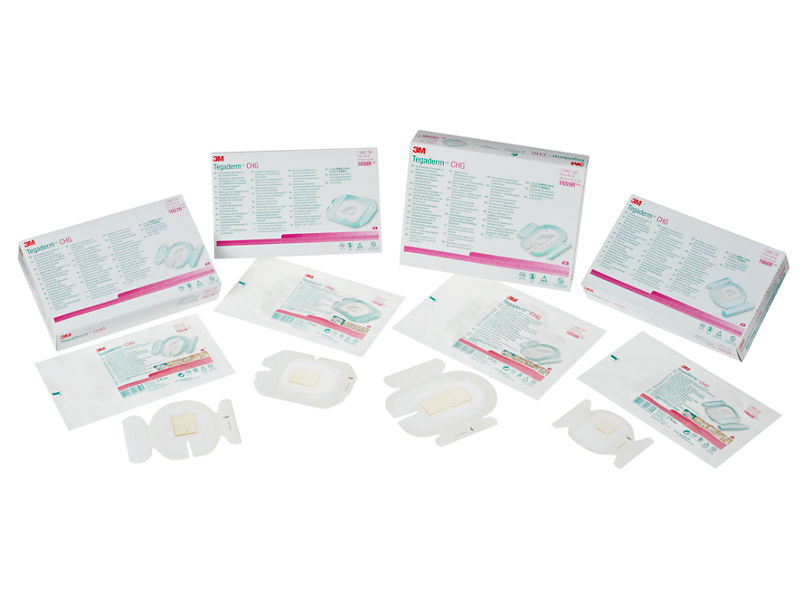
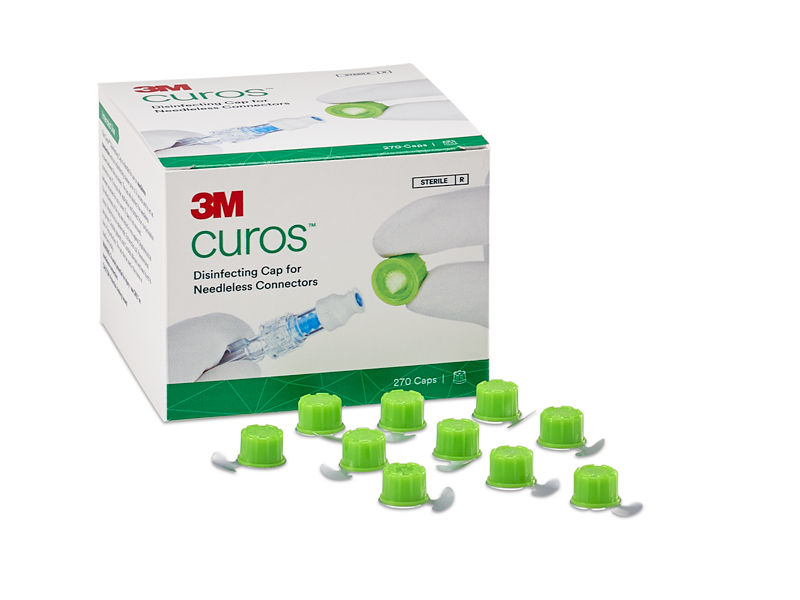

Product Resources
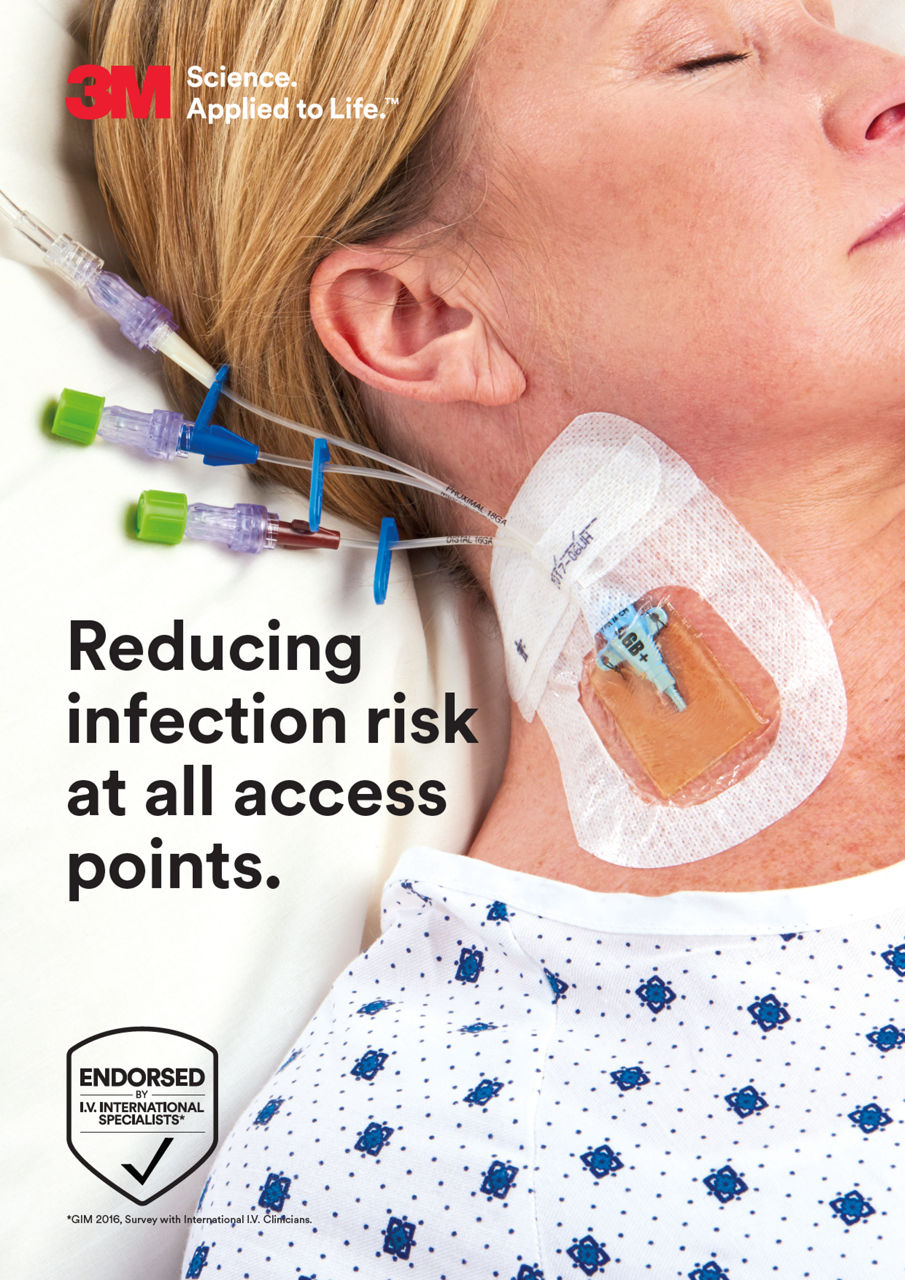


Find the right catheter solution for every patient
Patients need to trust that their safety and health are always most important. However, it’s not always easy to tell which catheter is best for every scenario.
We offer three options: antimicrobial solutions, advanced securement dressings and basic protection. Contact your local representative for a free trial, so you can get a feel for how our products can help your patients.
To help you get the best results, we have created a catheter decision guide that matches medical scenarios to the best catheter for the job.
Evidence and guidance
Discover the latest evidence and expert guidance to reduce catheter-related bloodstream infections. Empower your practice with insights and best practices to improve patient outcomes.
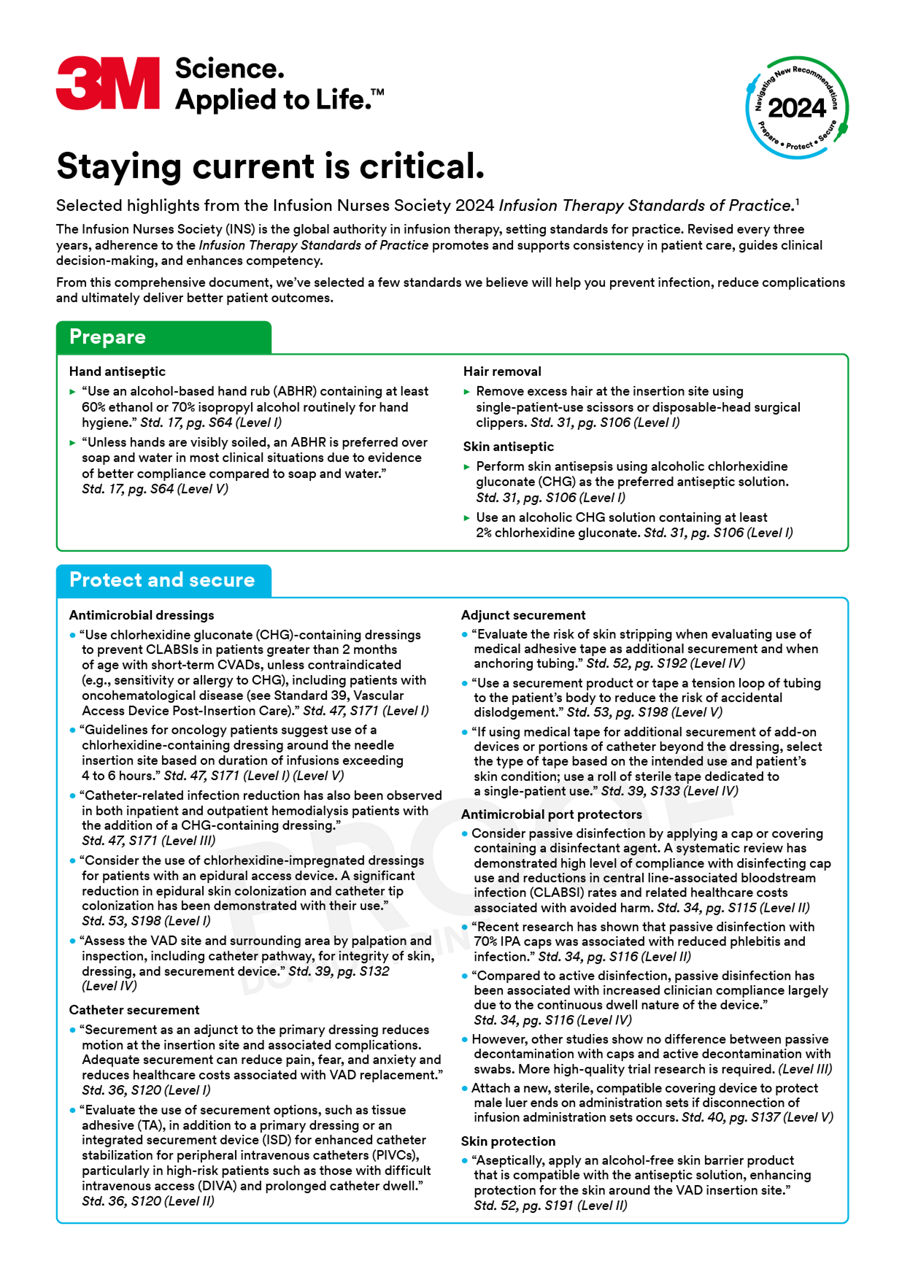
Support resources
References:
- Maki D, Mermel L. Infections due to infusion therapy. In: Bennett JV, Brachman PS, eds. Bennett & Brachman’s Hospital Infections. 4th ed. Philadelphia: Lippincott-Raven; 1998:689-724.
- Centers for Disease Control and Prevention. Vital Signs: Making health care safer: Reducing bloodstream infections. Published March, 2011. Accessed November 26, 2024. https://www.cdc.gov/vitalsigns/pdf/2011-03-vitalsigns.pdf
- Blot SI, Depuydt P, Annemans L, et al. Clinical and economic outcomes in critically ill patients with nosocomial catheter-related bloodstream infections. Clin Infect Dis. 2005;41(11):1591-1598. doi:10.1086/497833
- Zimlichman E, Henderson D, Tamir O, et al. Health care-associated infections: a meta-analysis of costs and financial impact on the US health care system. JAMA Intern Med. 2013;173(22):2039-2046. doi:10.1001/jamainternmed.2013.9763
- Scheithauer S, Lewalter K, Schröder J, et al. Reduction of central venous line-associated bloodstream infection rates by using a chlorhexidine-containing dressing. Infection. 2014;42(1):155-159. doi:10.1007/s15010-013-0519-7
- Timsit JF, Mimoz O, Mourvillier B, et al. Randomized controlled trial of chlorhexidine dressing and highly adhesive dressing for preventing catheter-related infections in critically ill adults. Am J Respir Crit Care Med. 2012;186(12):1272-1278. doi:10.1164/rccm.201206-1038OC
- Loveday HP, Wilson JA, Prieto J, Wilcox MH. epic3: revised recommendation for intravenous catheter and catheter site care. J Hosp Infect. 2016;92(4):346-348. doi:10.1016/j.jhin.2015.11.011
- National Institute for Health and Care Excellence. Medical technologies guidance [MTG25]. Tegaderm CHG IV securement dressing for central venous and arterial catheter insertion sites. Published September 2019. Accessed November 25, 2024. www.nice.org.uk/guidance/mtg25